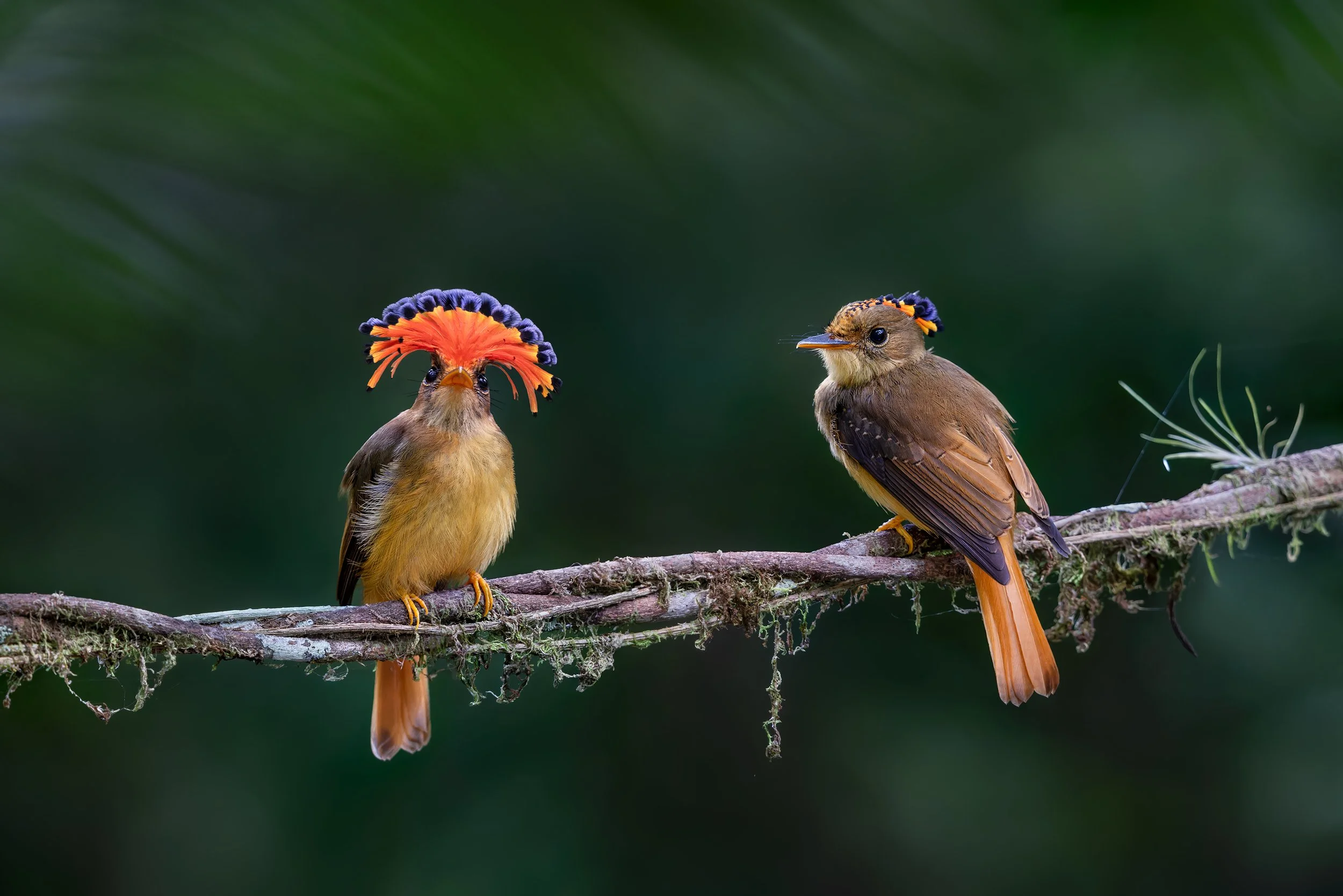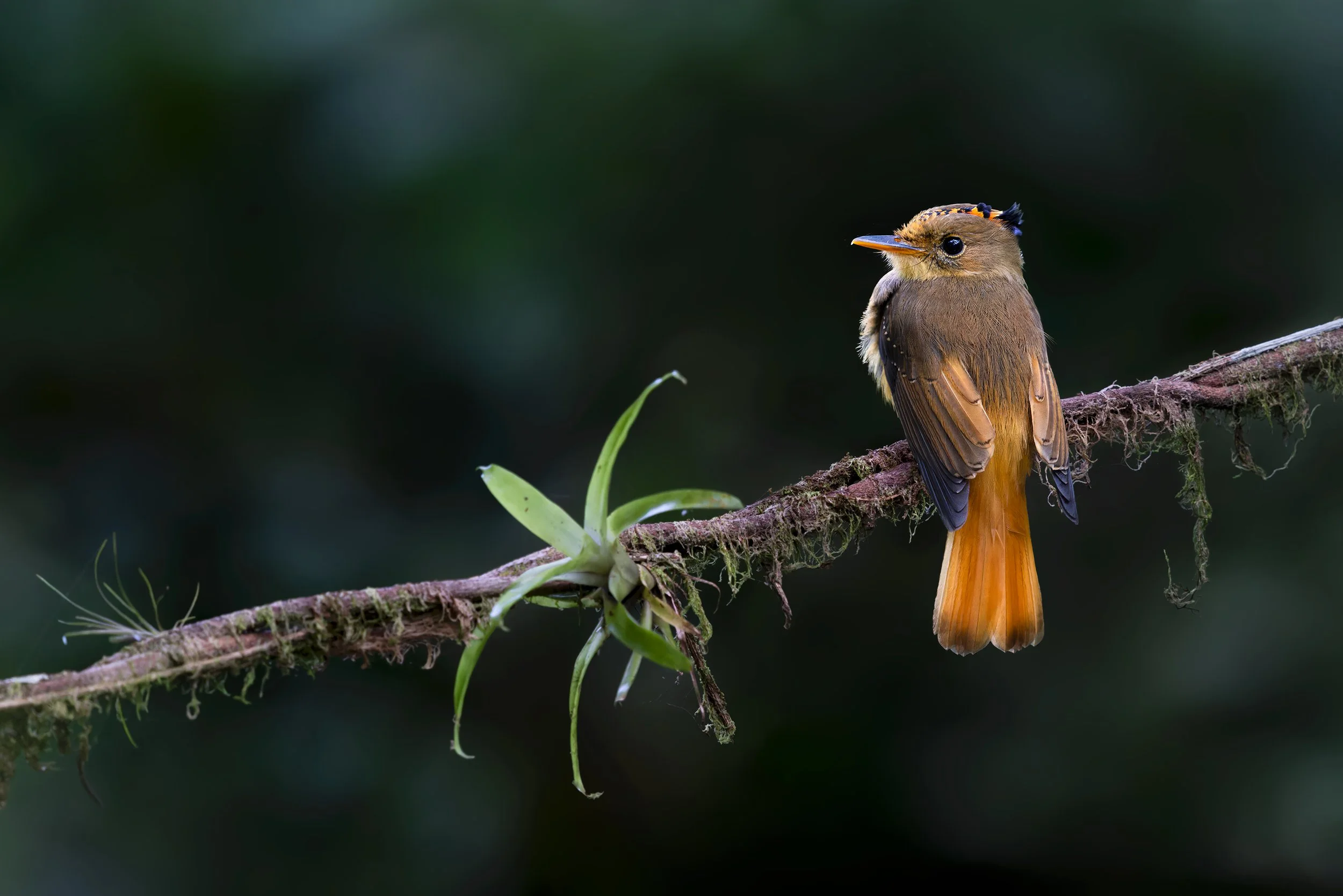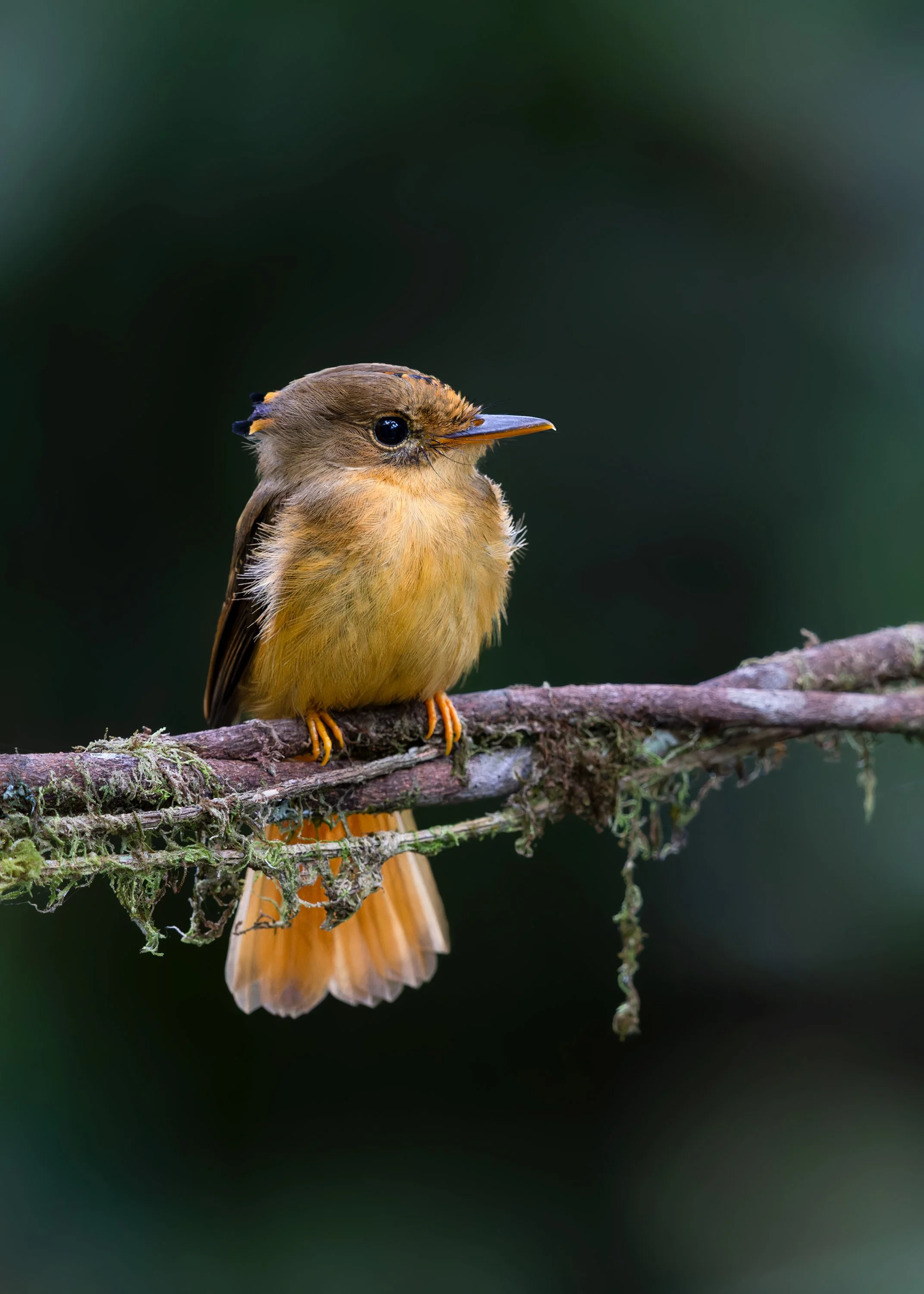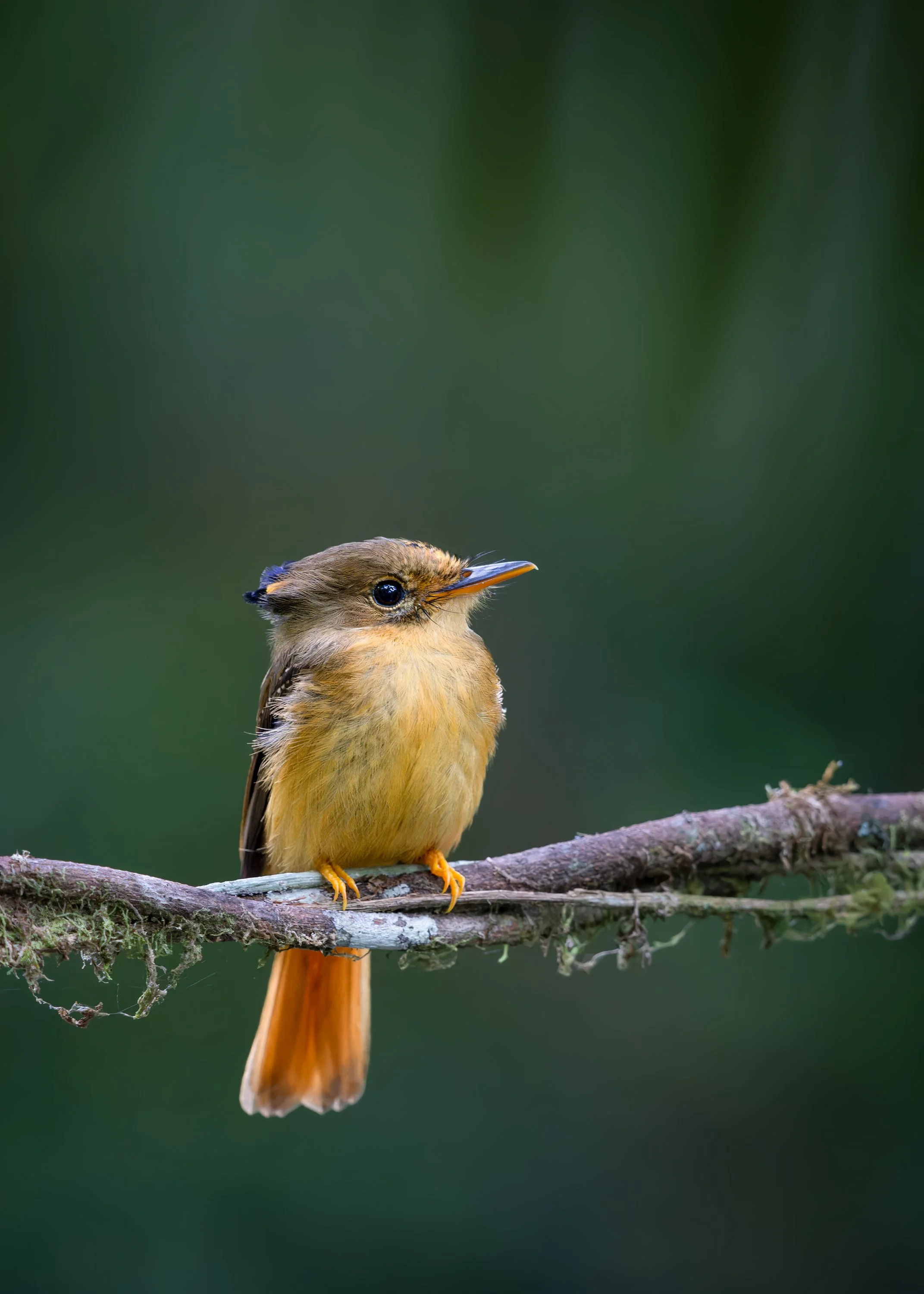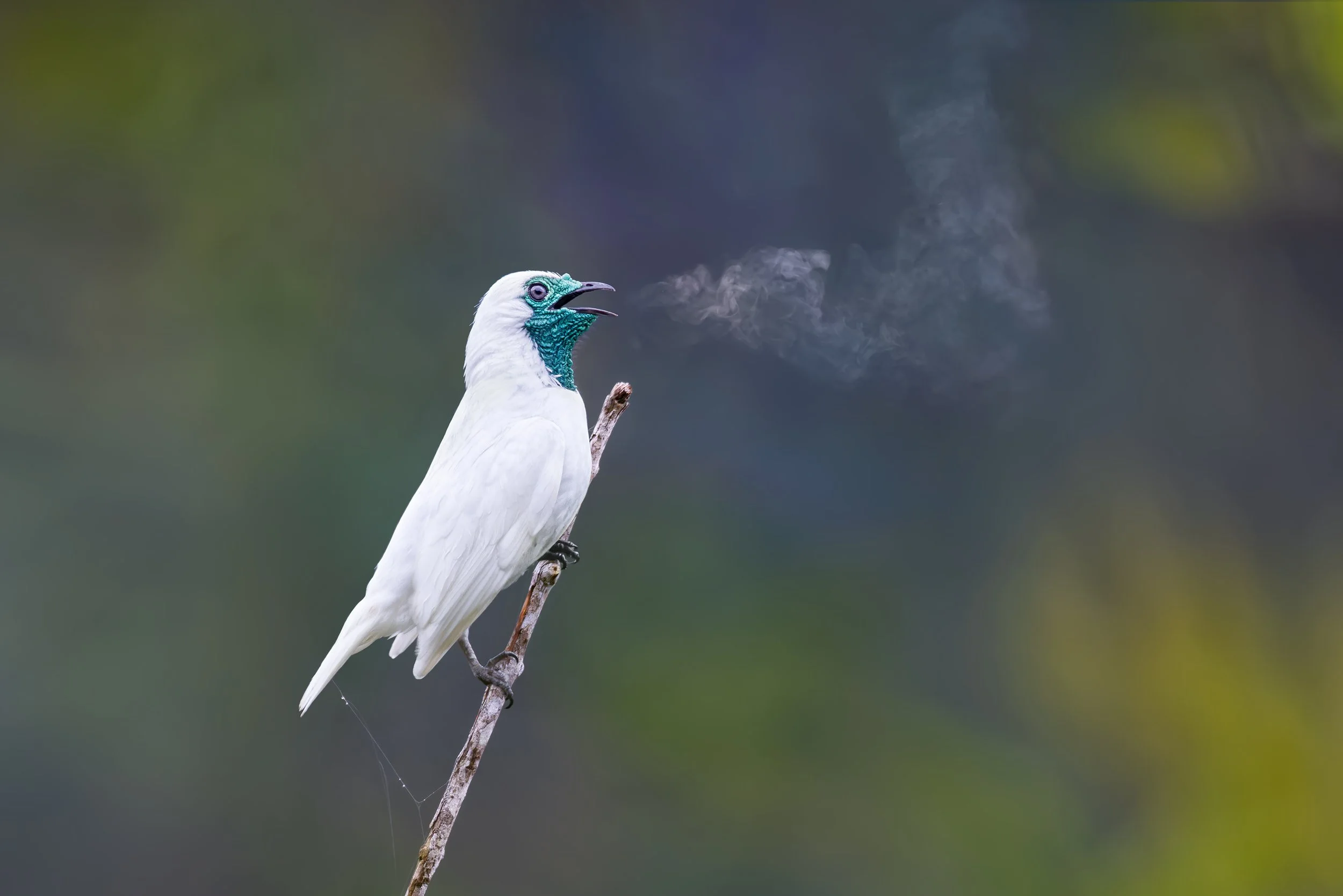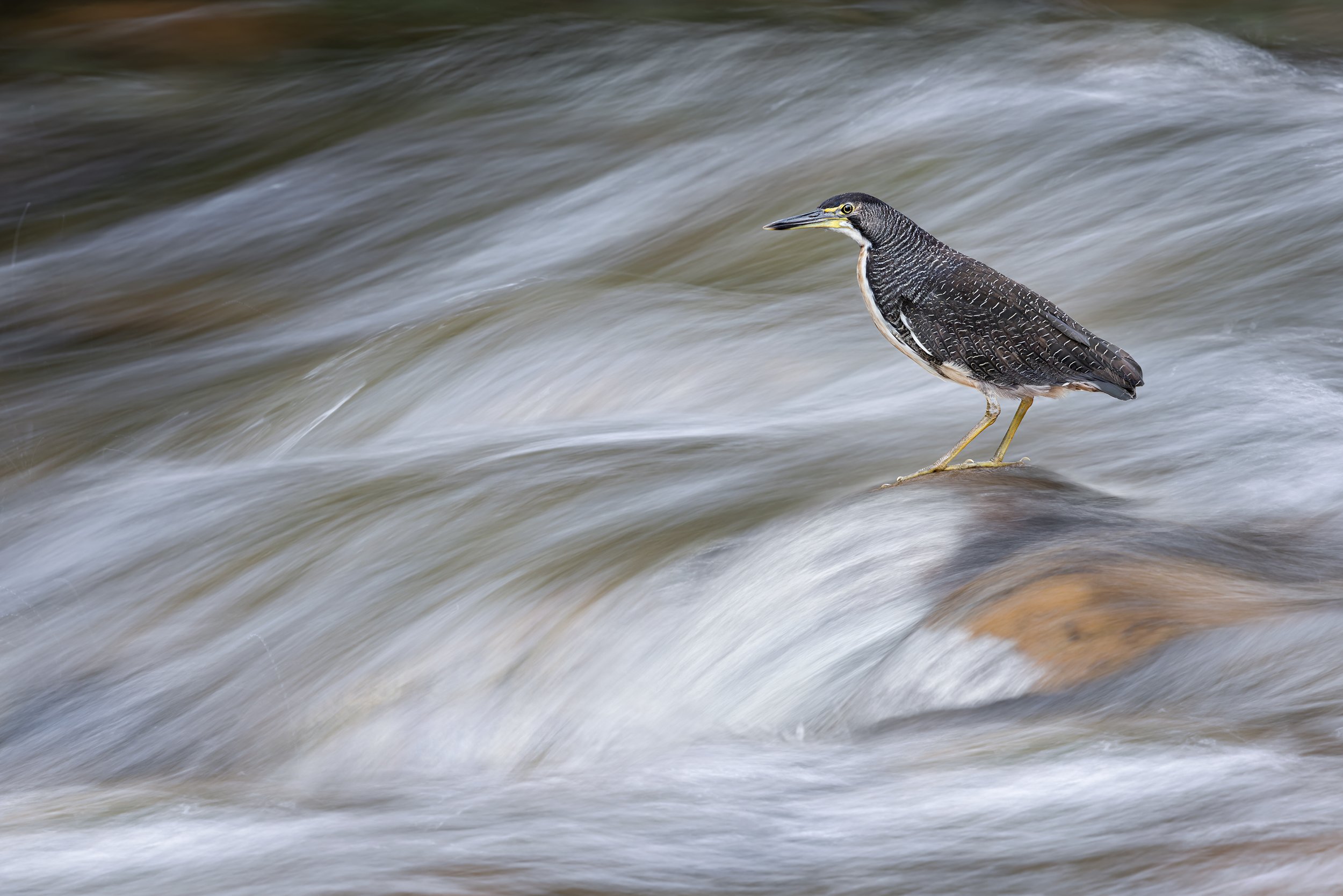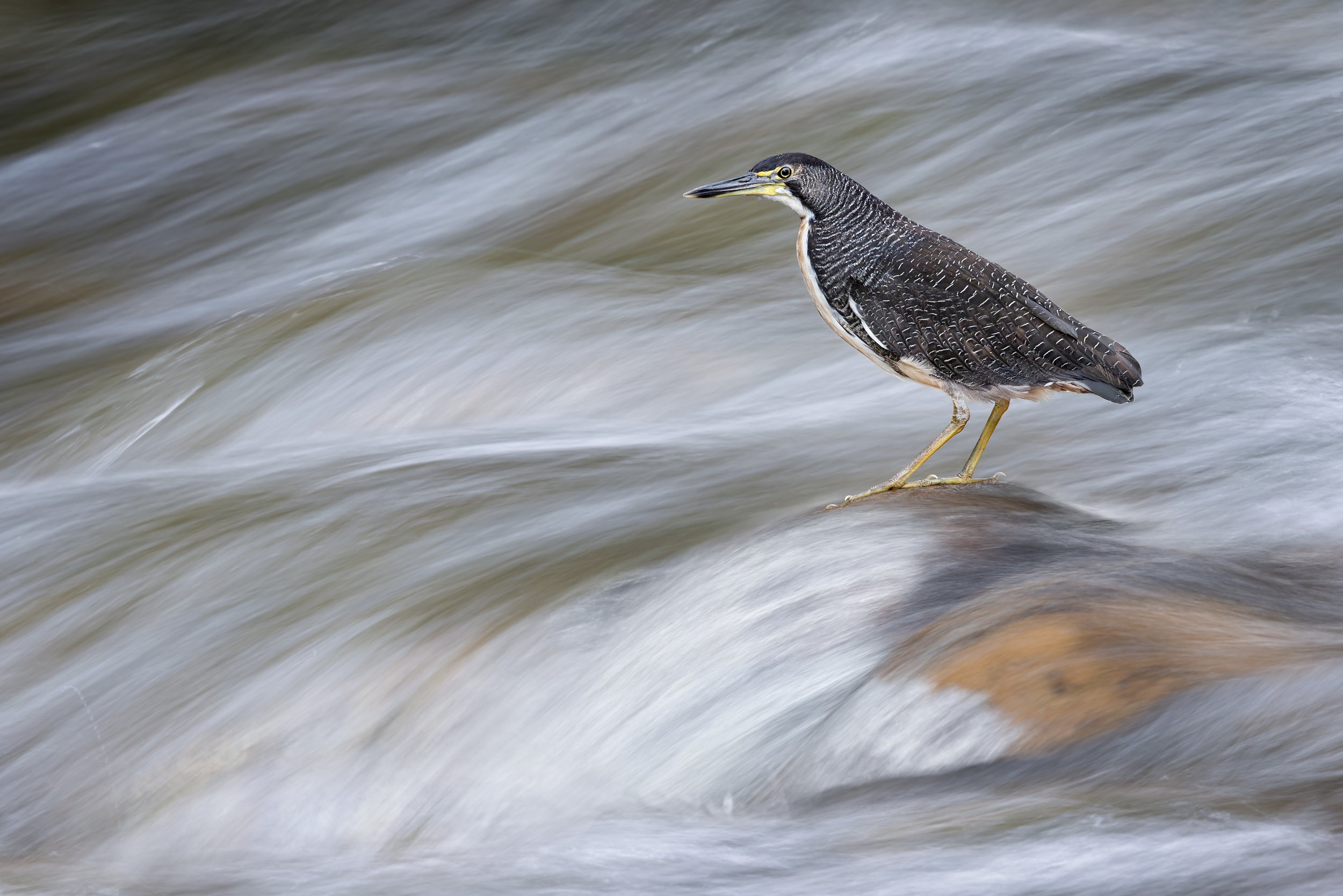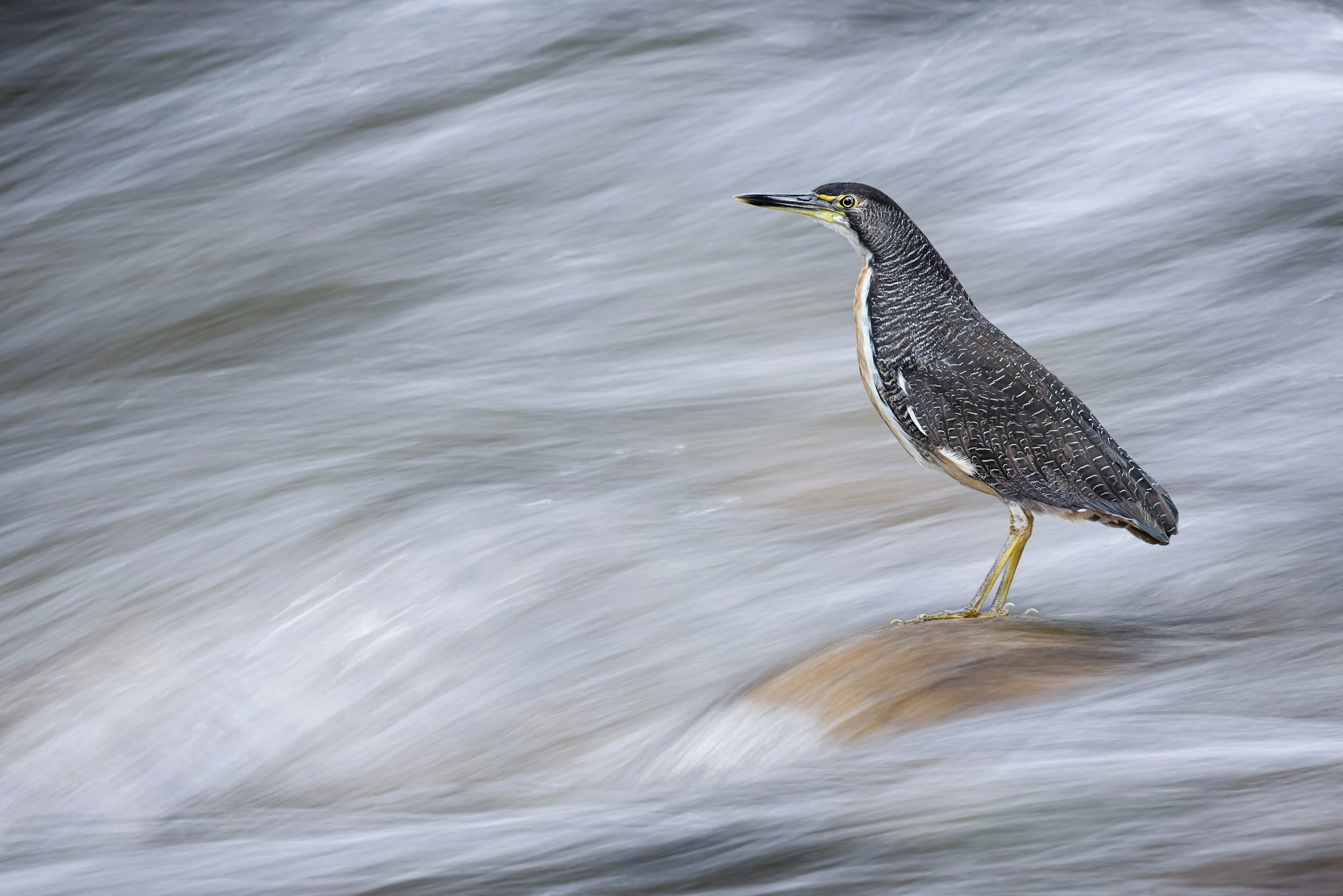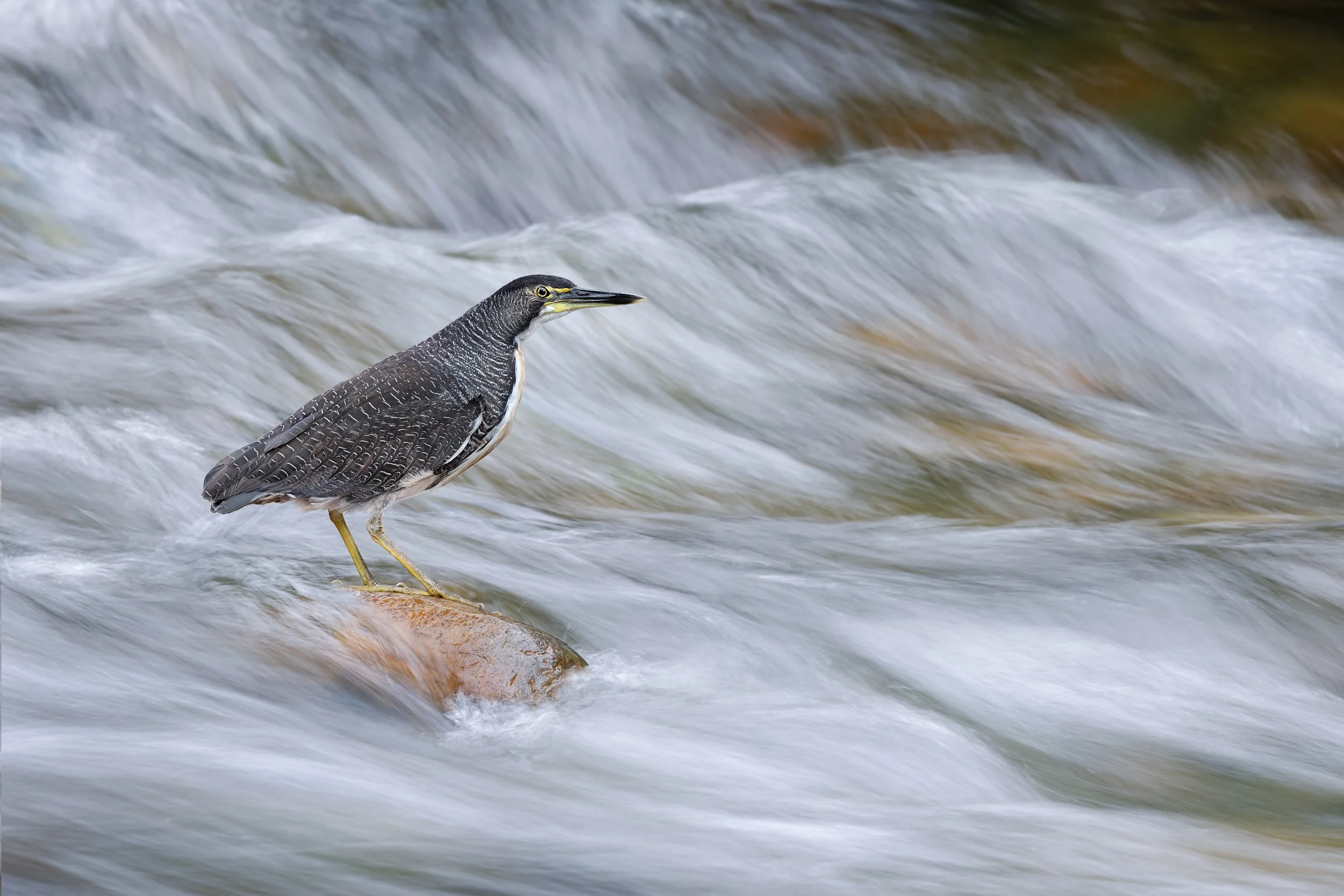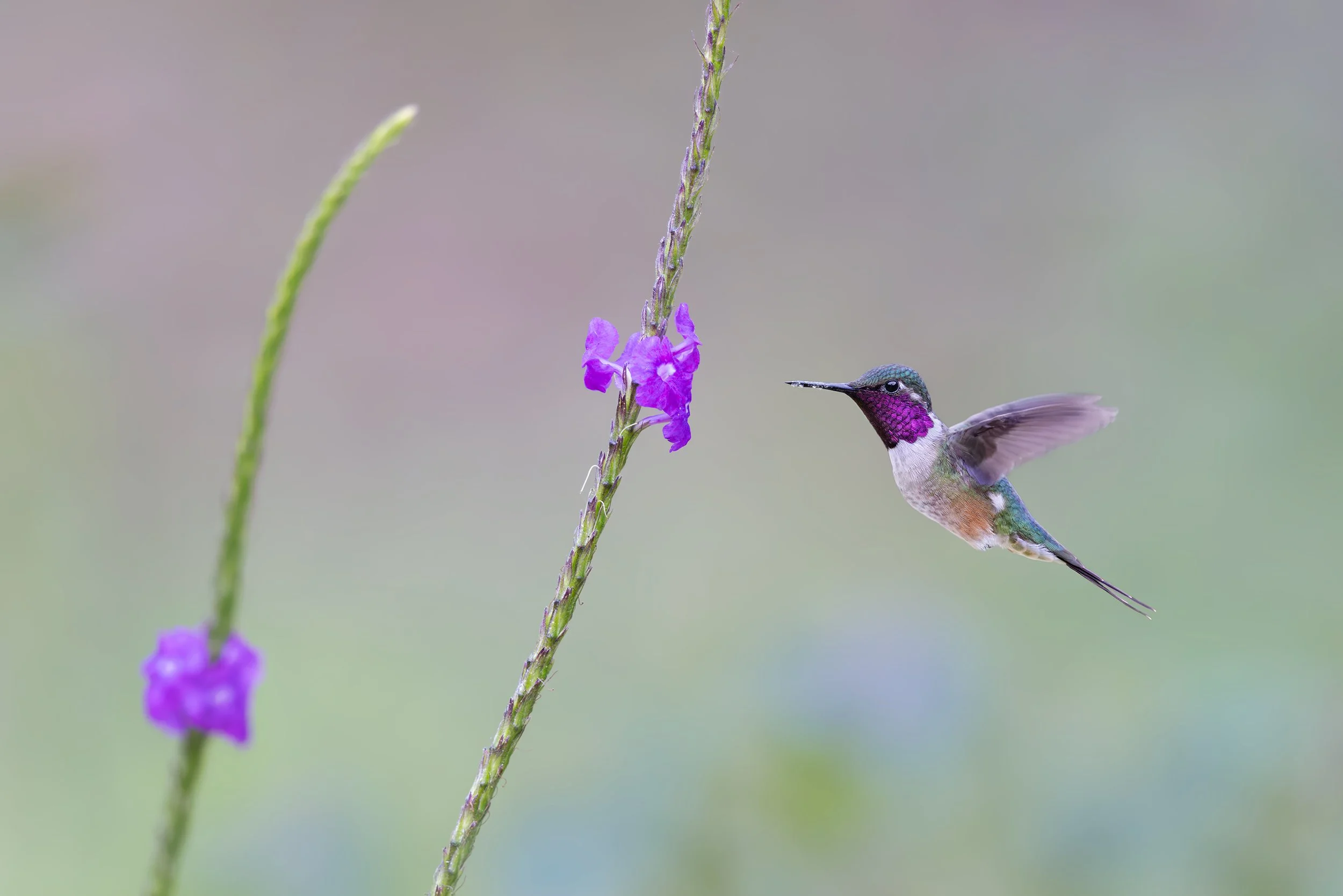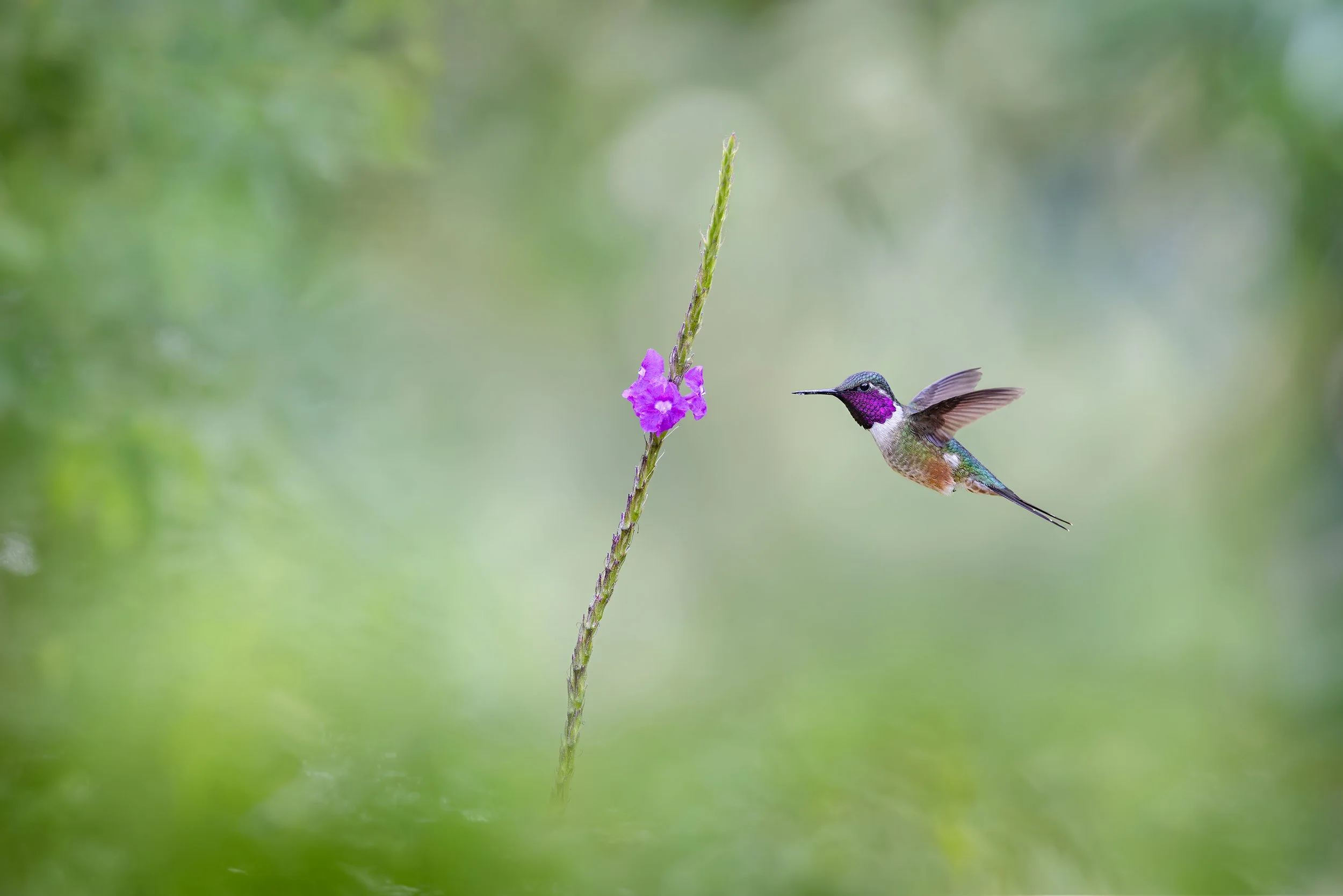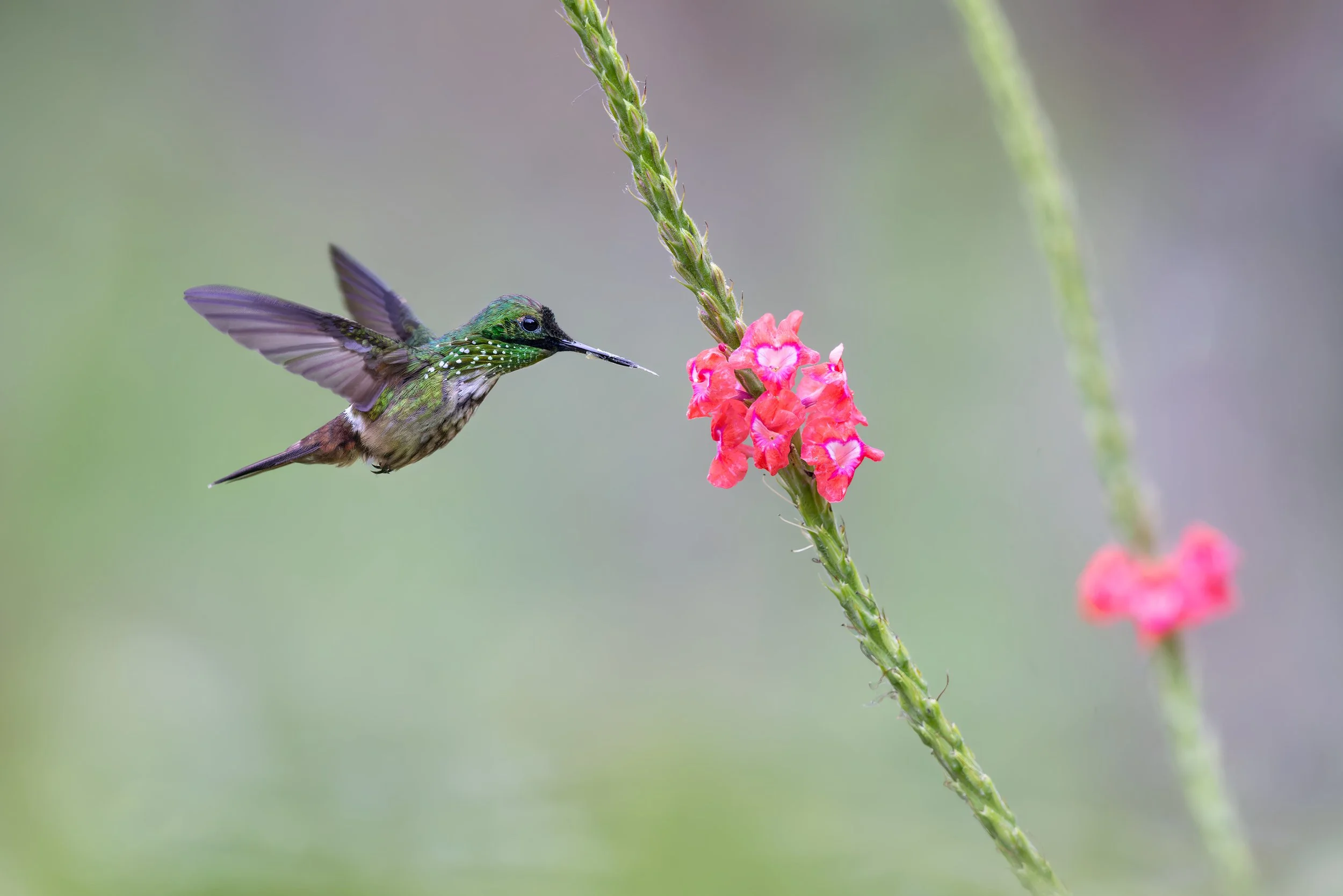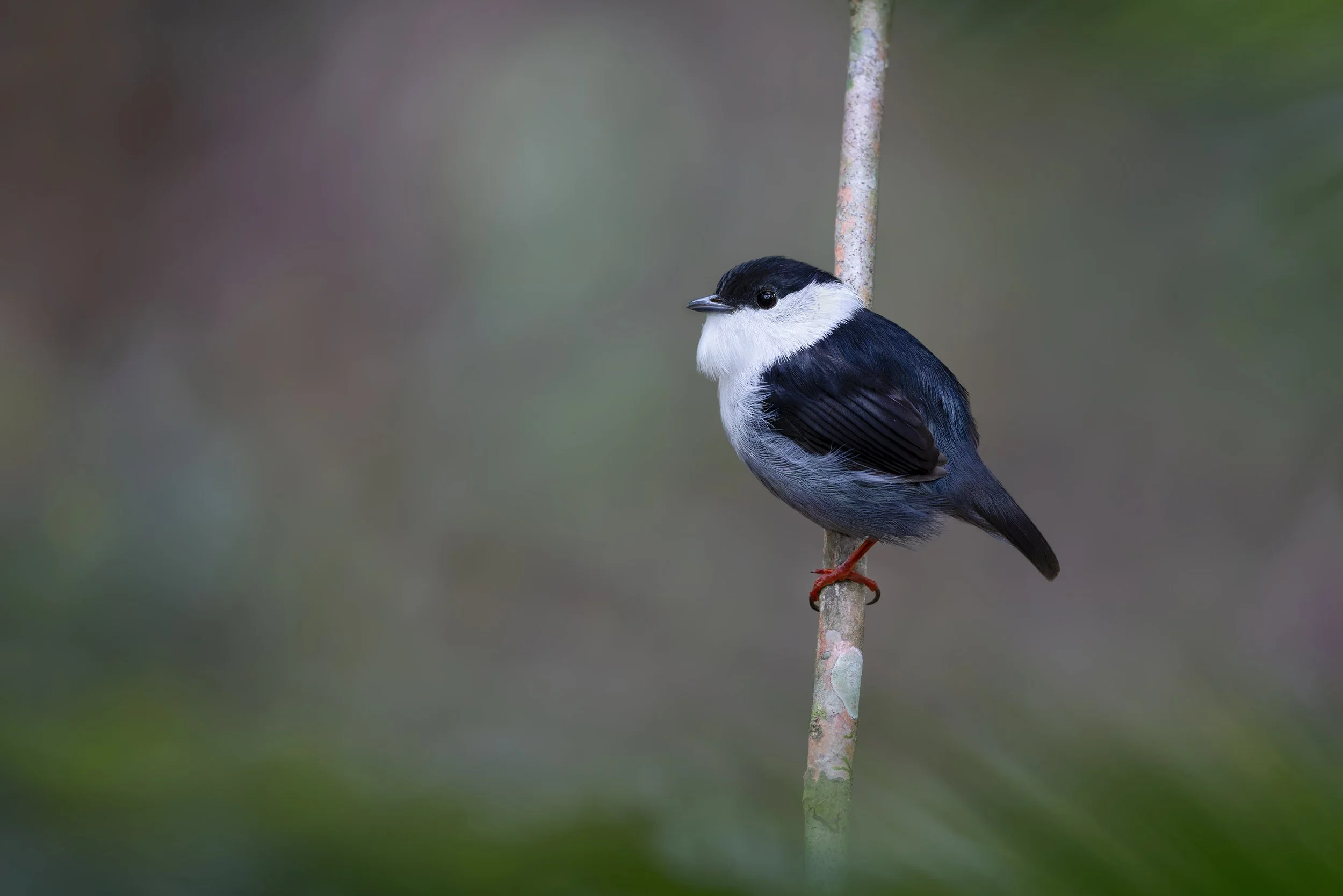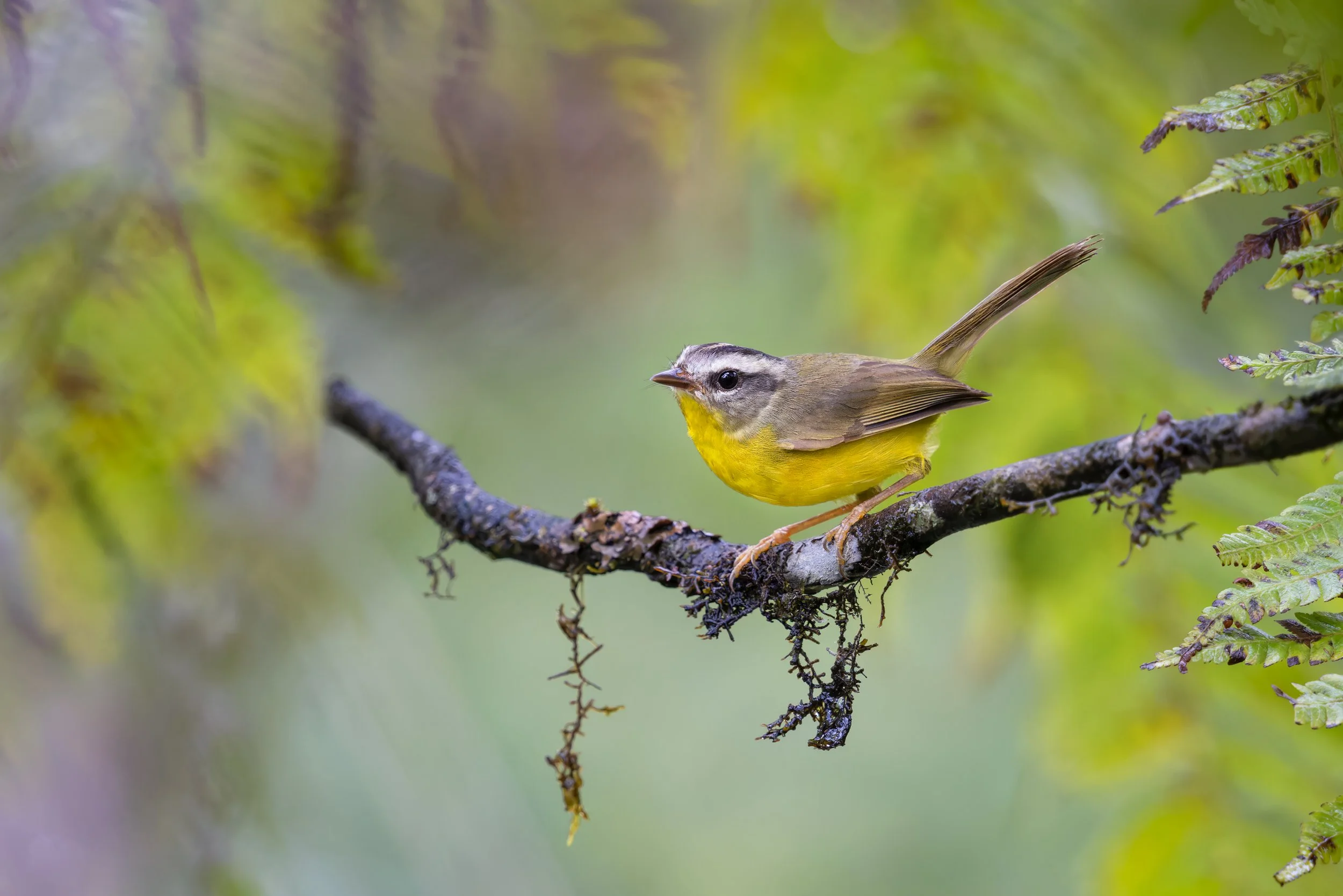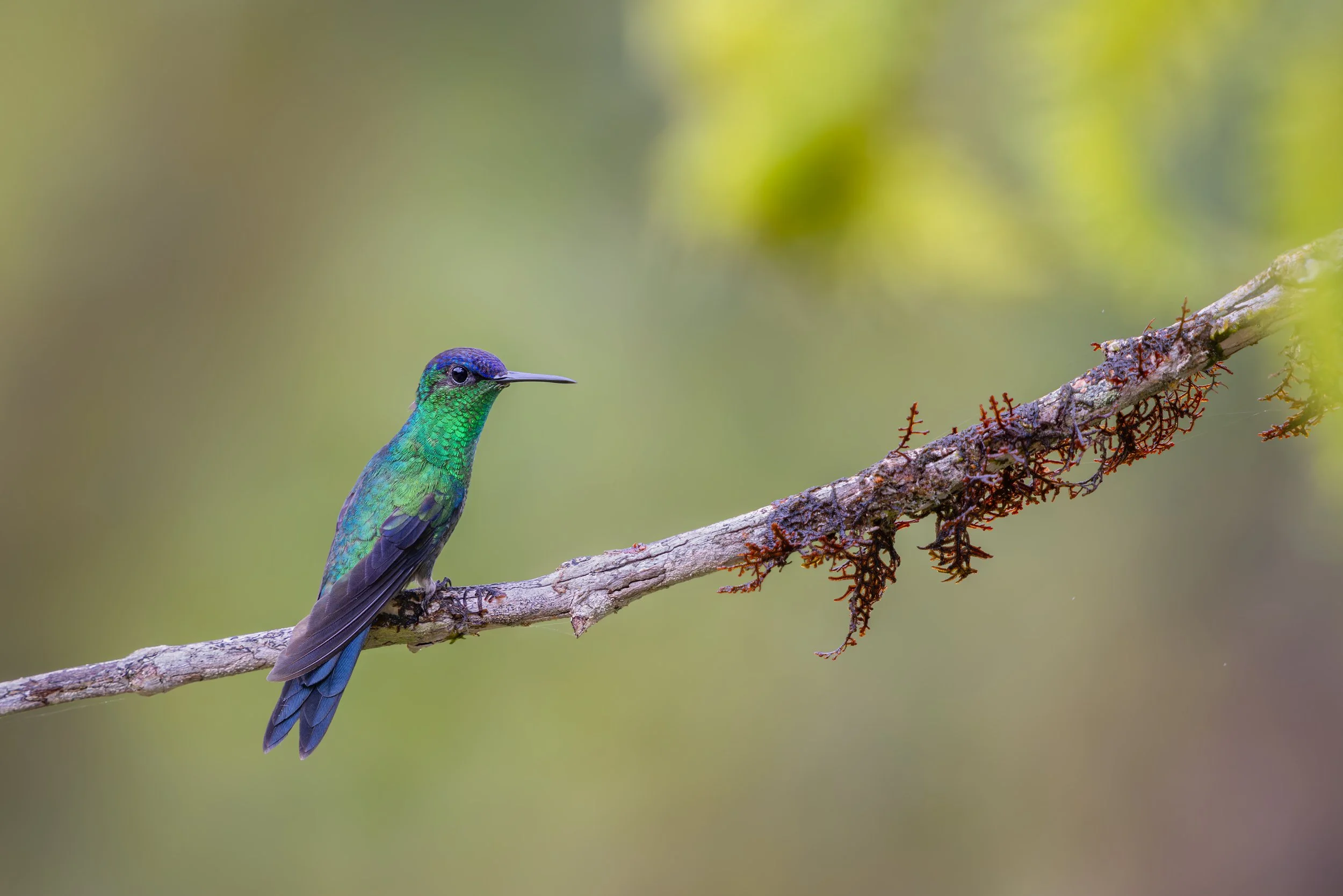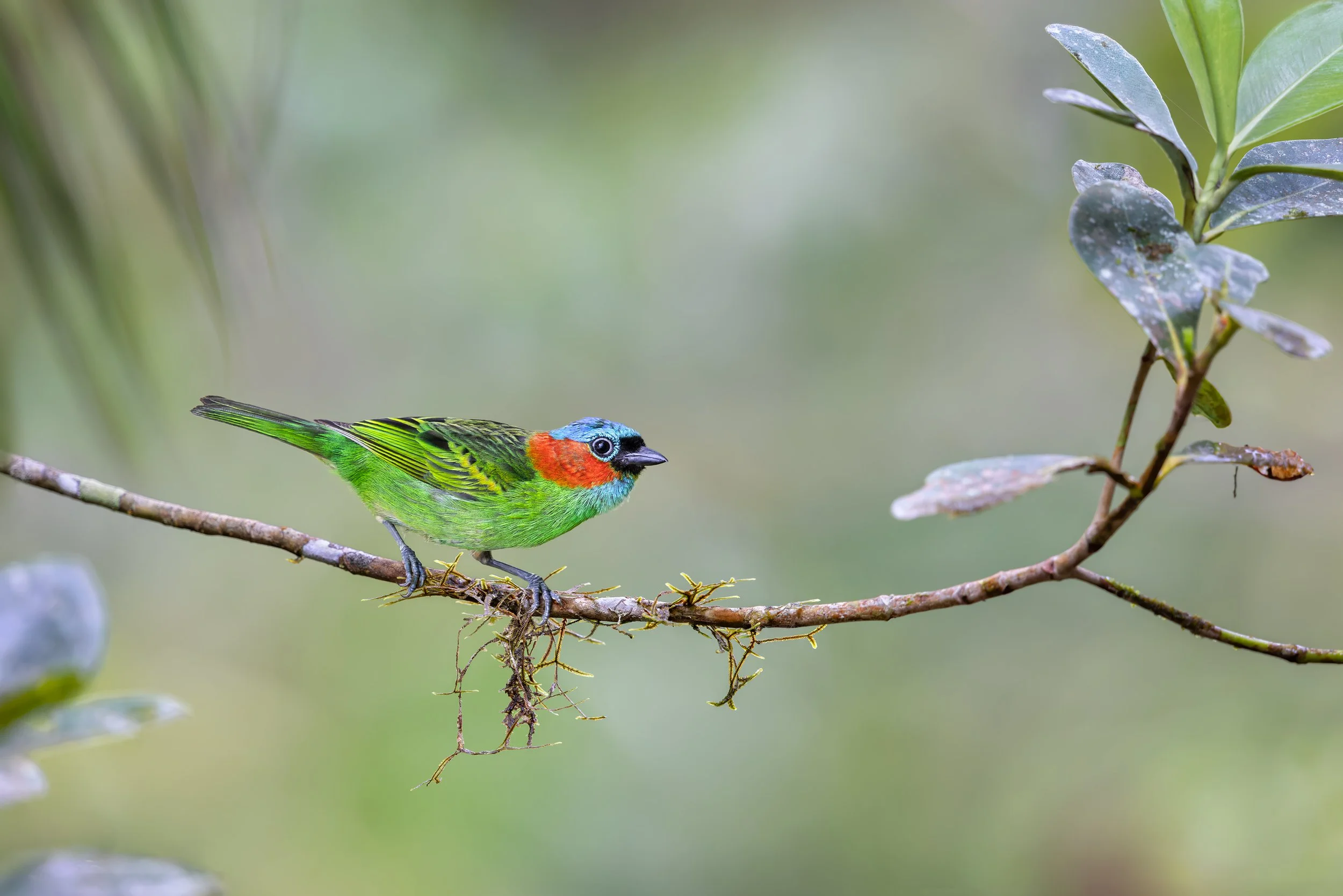
The Atlantic rainforest, also known as Mata Atlântica, encompasses a variety of tropical forest habitats—from dry forests to moist forests to coastal mangroves that previously extended along the entire Atlantic coast of Brazil and inland as far as Paraguay and the Misiones Province of Argentina. Historically this tropical rainforest made up over a 1.2 million square km (about a quarter of the size of the Amazon), but after centuries of deforestation for timber, sugar cane, coffee, cattle ranching, and urban sprawl the Atlantic rainforest has declined by well over 90%. From approximately 1,233,900 square km originally to 99,950 square km means that it survives largely in small, degraded patches and protected areas today.
Although nearly adjacent to the Amazon rainforest, the Atlantic rainforest has always been isolated from its larger neighbour. It is, in fact, more ancient than the Amazon. Being cut off from other tropical forests has allowed the Atlantic rainforest to evolve unique ecosystems, which harbor a large number of species found no-where else on Earth. The Atlantic Forest is characterised by a high biodiversity and endemism, 60% of Brazil's endangered species are in the Atlantic rainforest. The enormous variety of species can partly be explained by the fact that the Atlantic winds makes this forest cooler than the Amazon, with average temperatures that vary from 14-21 C. This contributes to the enormous variety of ecosystems with specialised plants and animals that the forest shelters. The endemic species in this region are especially vulnerable to extinction due to fragmentation because of their small geographic ranges and low occurrence. The official threatened species list of Brazil contains over 140 terrestrial mammal species found in Atlantic Forest. Tragically nearly 250 species of amphibians, birds, and mammals have become extinct due to the result of human activity in the past 400 years. Over 11,000 species of plants and animals are considered threatened today in the Atlantic Forest. Over 52% of the tree species and 92% of the amphibians are endemic to this area. New species are continually being found in the Atlantic Forest.
In recent decades conservation organizations, accompanied with regional and national government efforts have begun to recognise both the importance of and the heavy losses already incurred by the Atlantic rainforest. Several ambitious projects are underway, including reforesting large parts of the land, which has resulted in a relative decline in land degradation. Local conservations, ecotourism and private organizations have also combined in some areas to create a patchy band of protected forest. About 23,800 square km of the Atlantic Forest are now national or private parks. This is 24% of the Atlantic rainforests remaining forest, but less than 2% of its historic forest range.
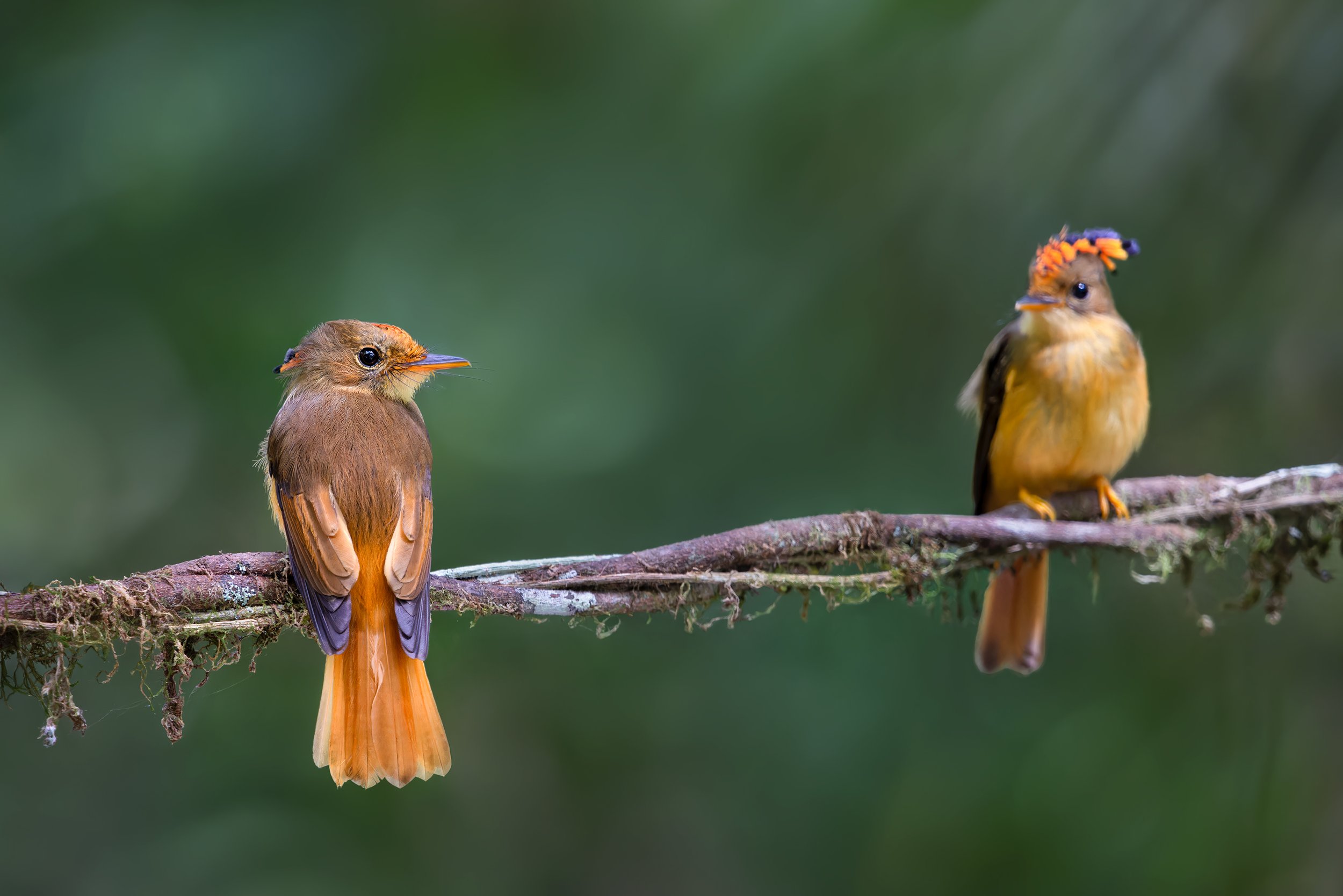
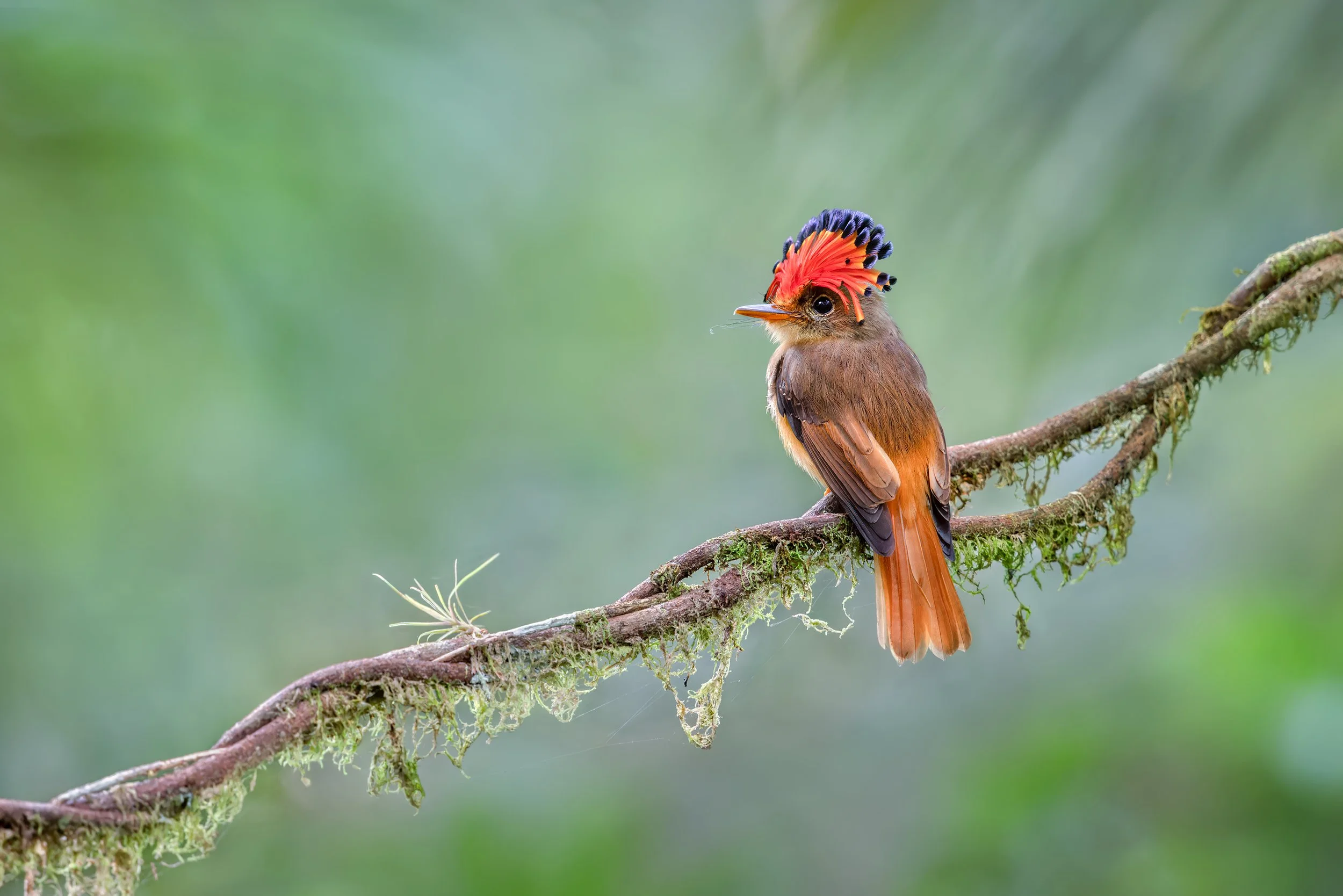
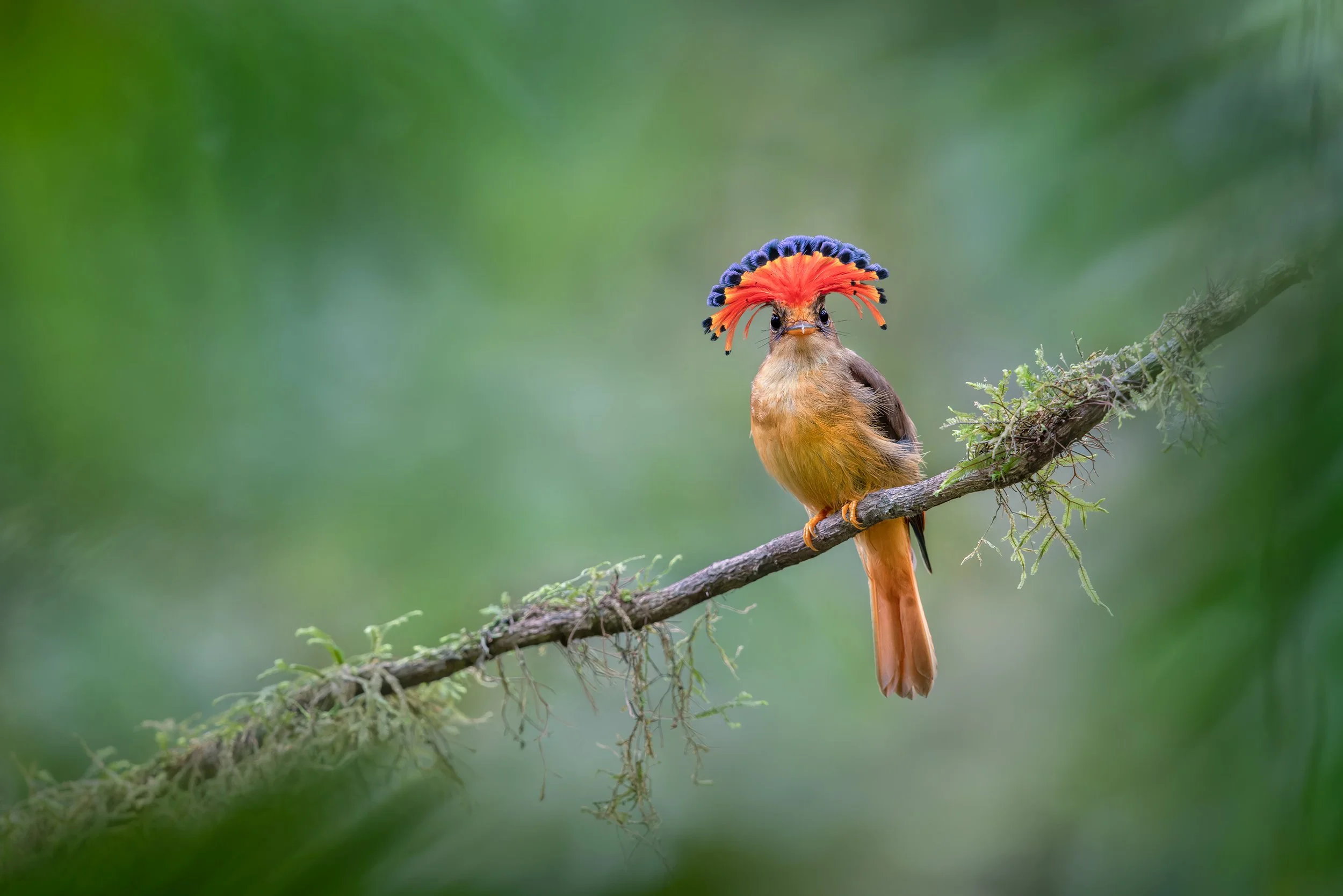
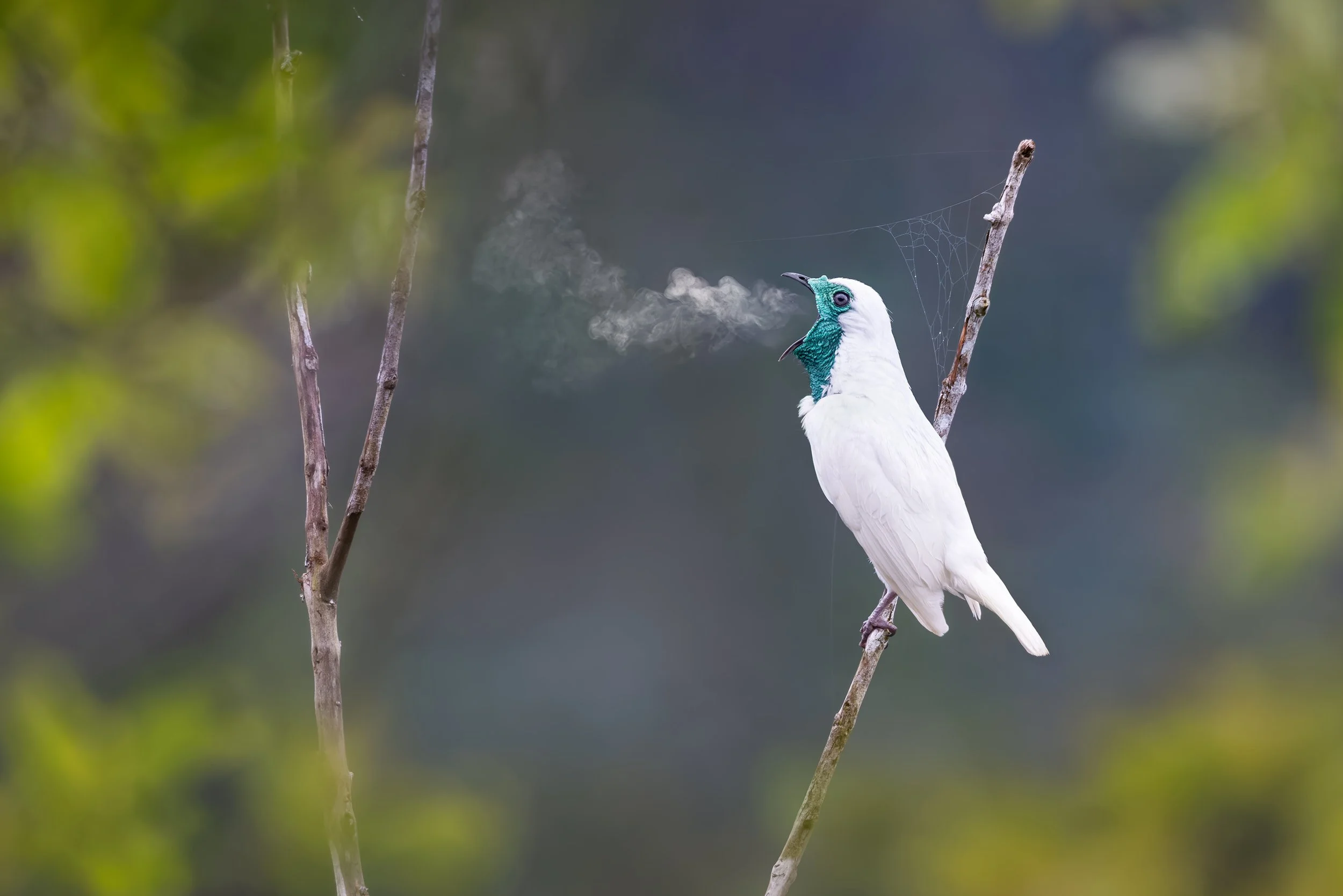
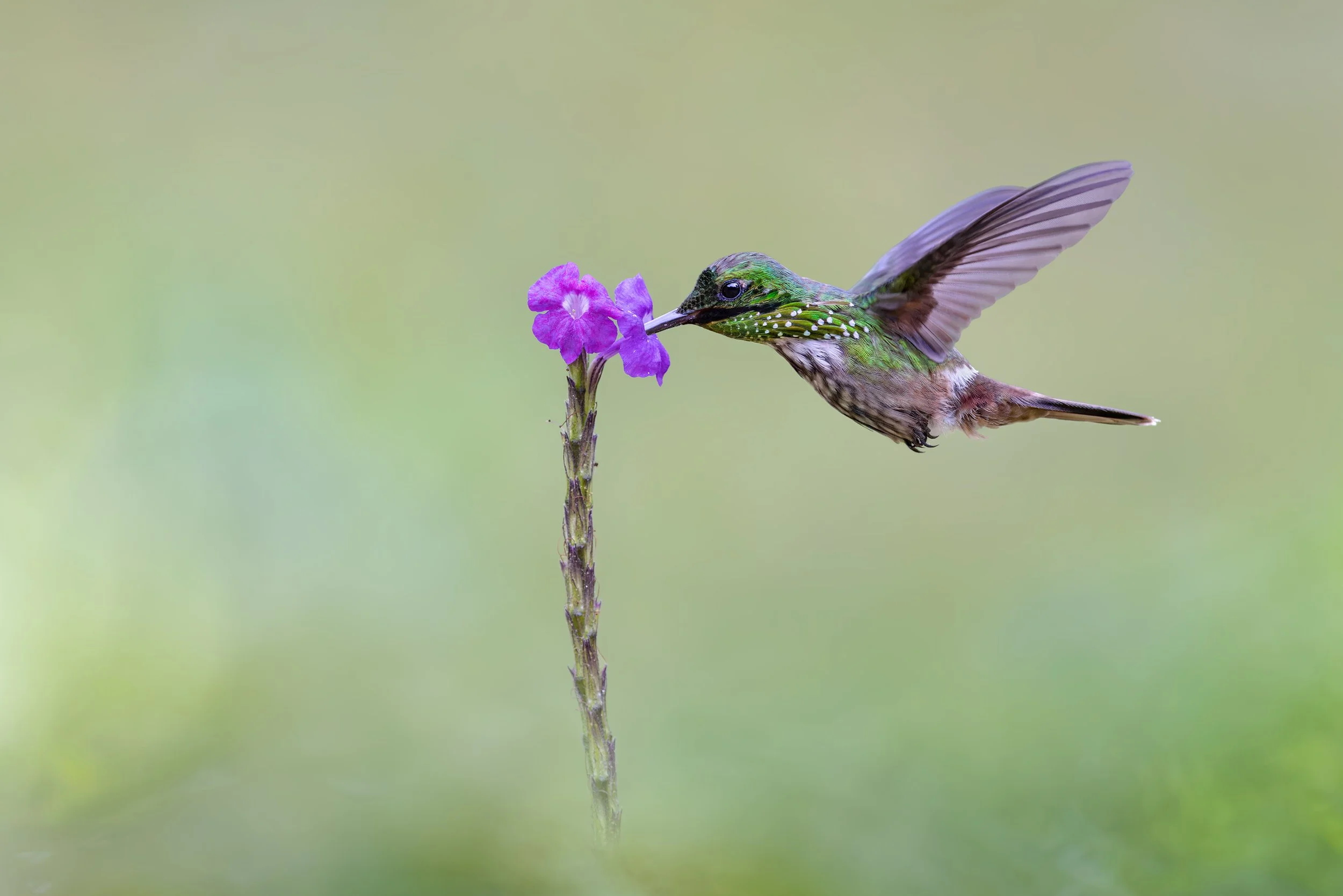
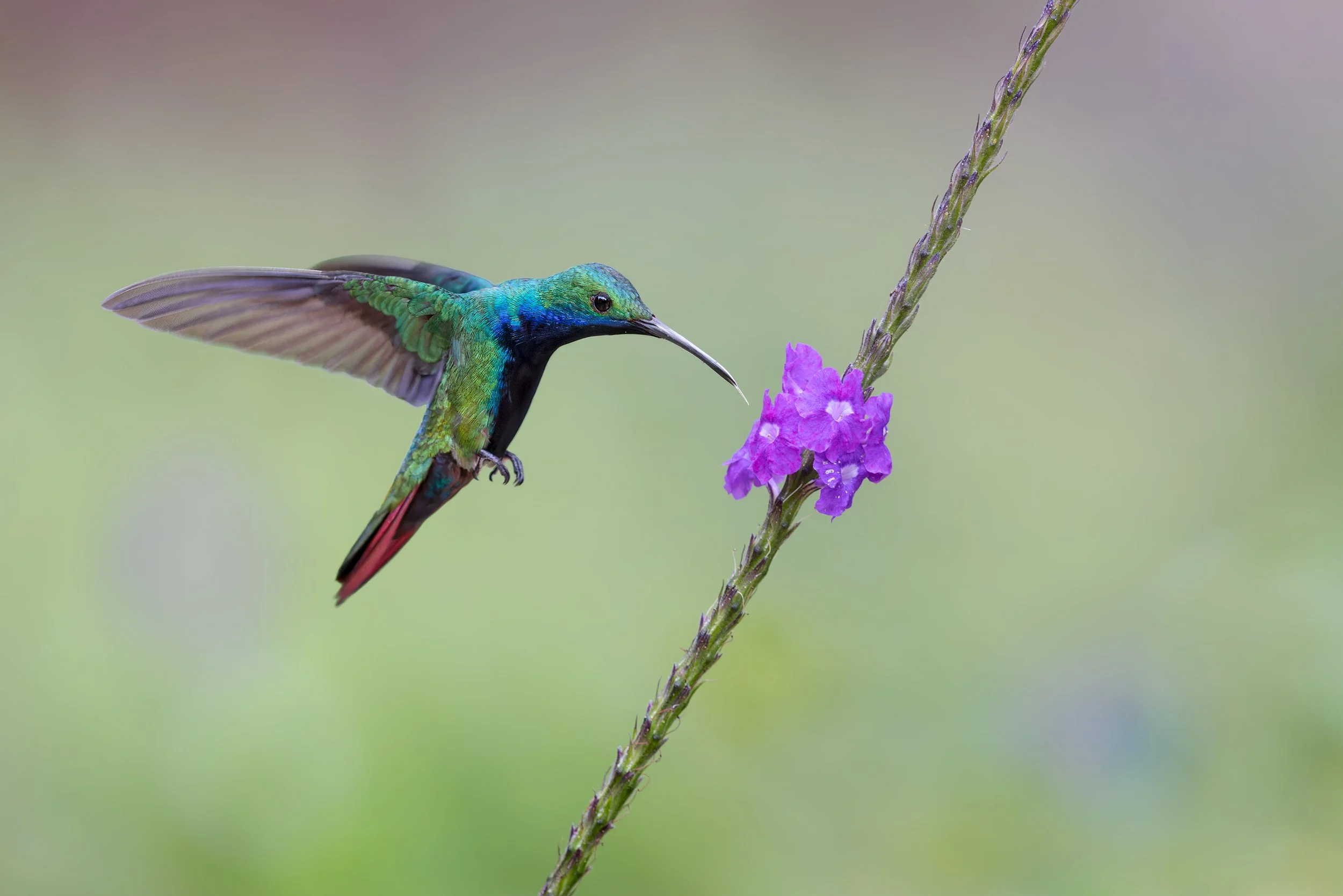
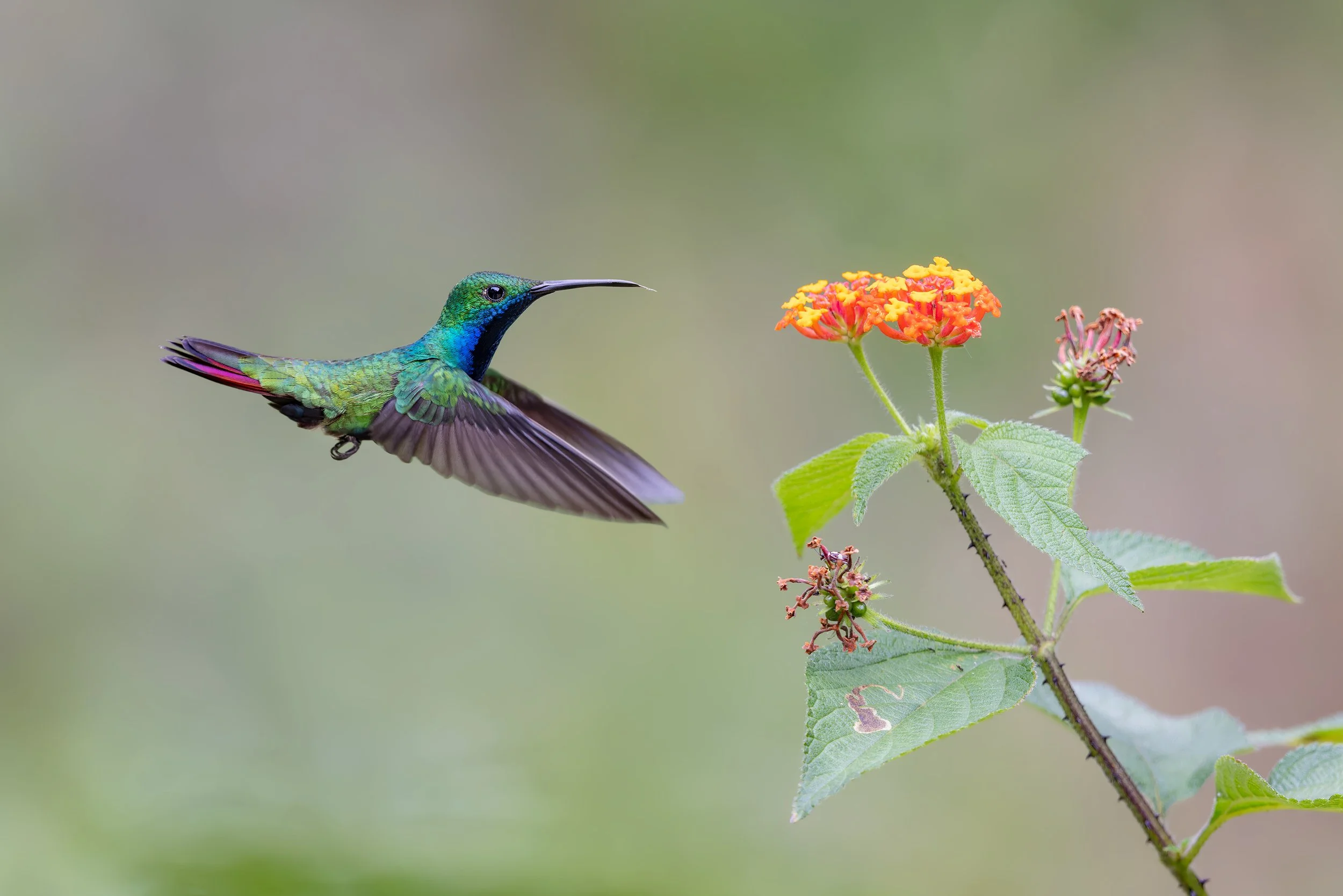
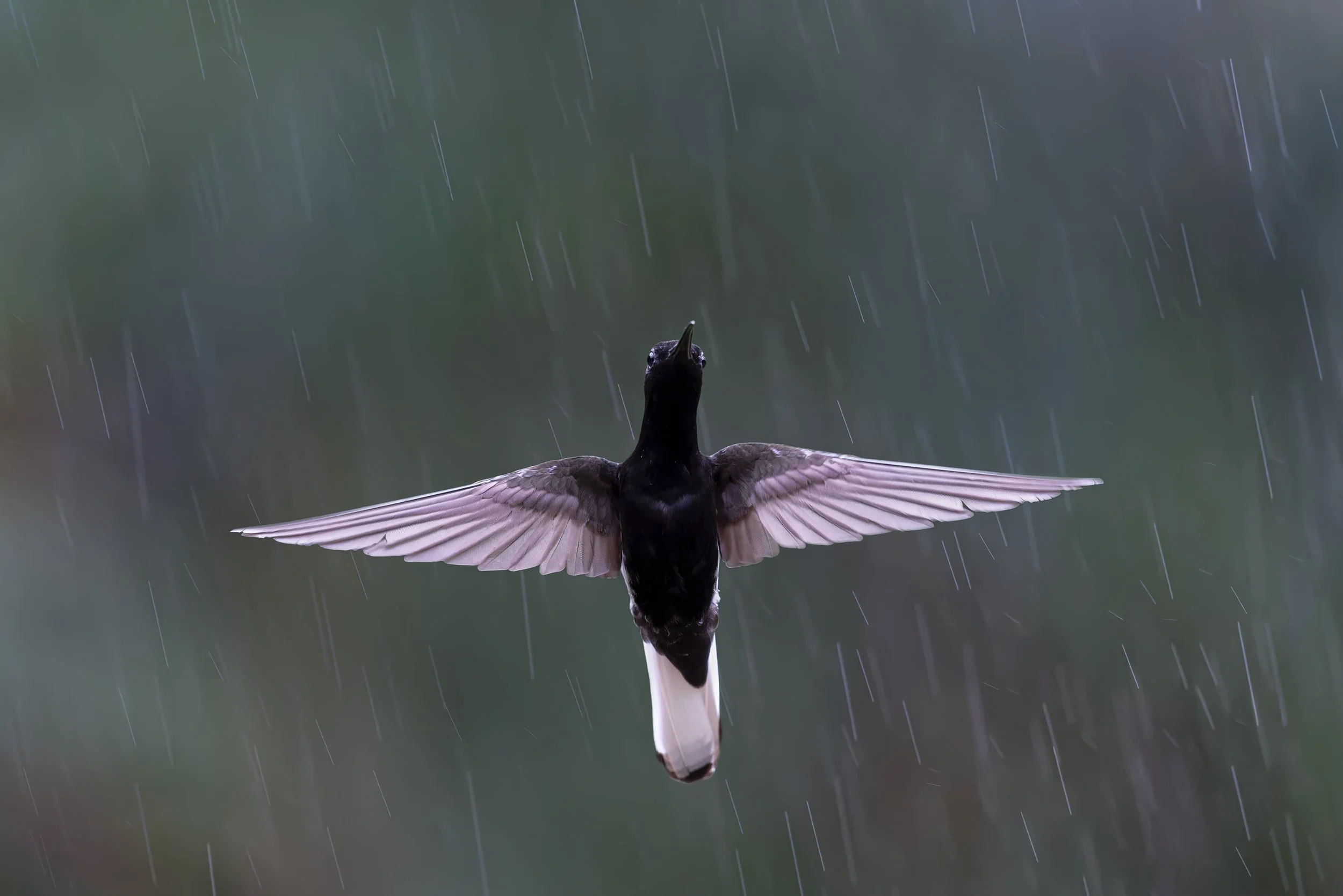
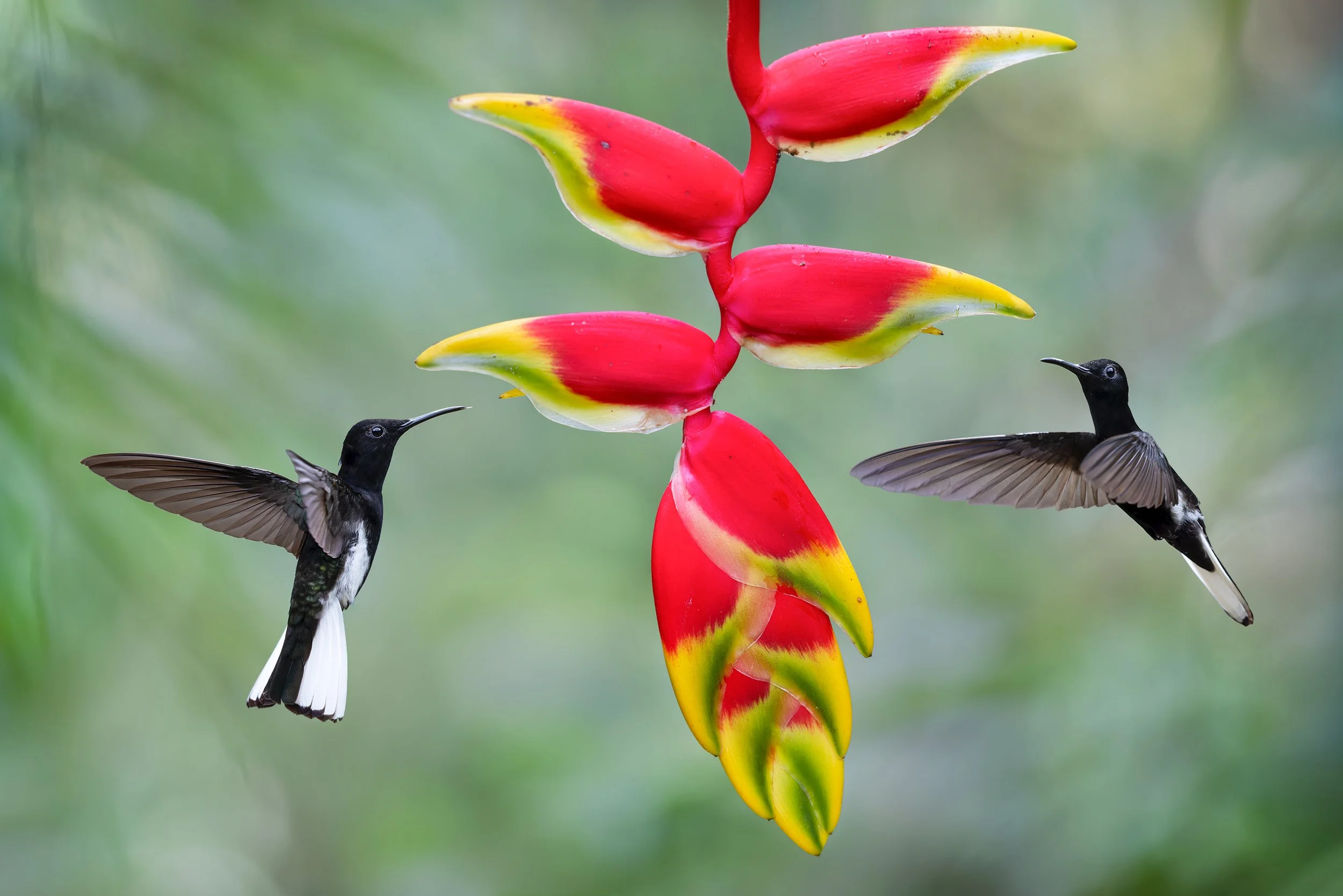
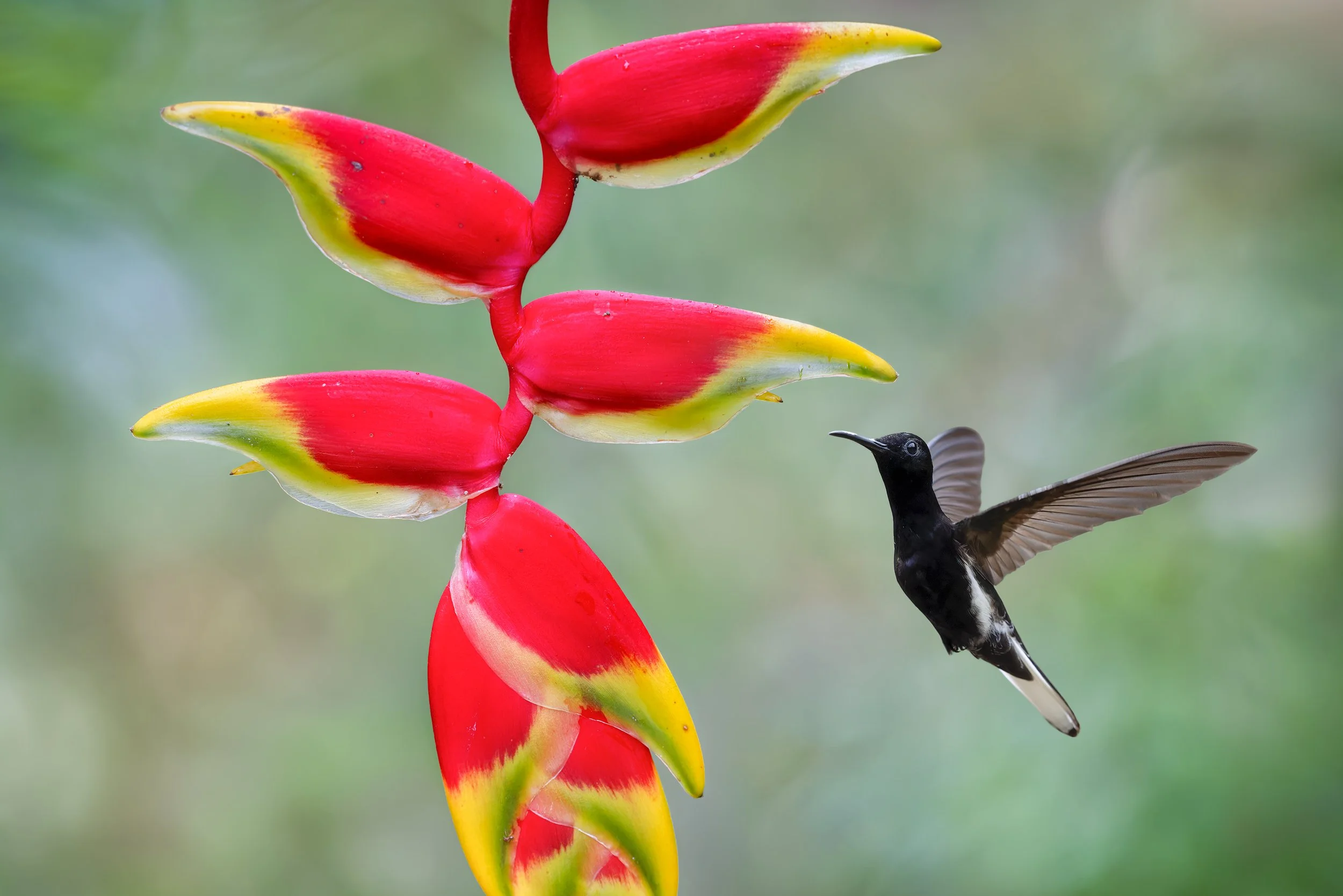
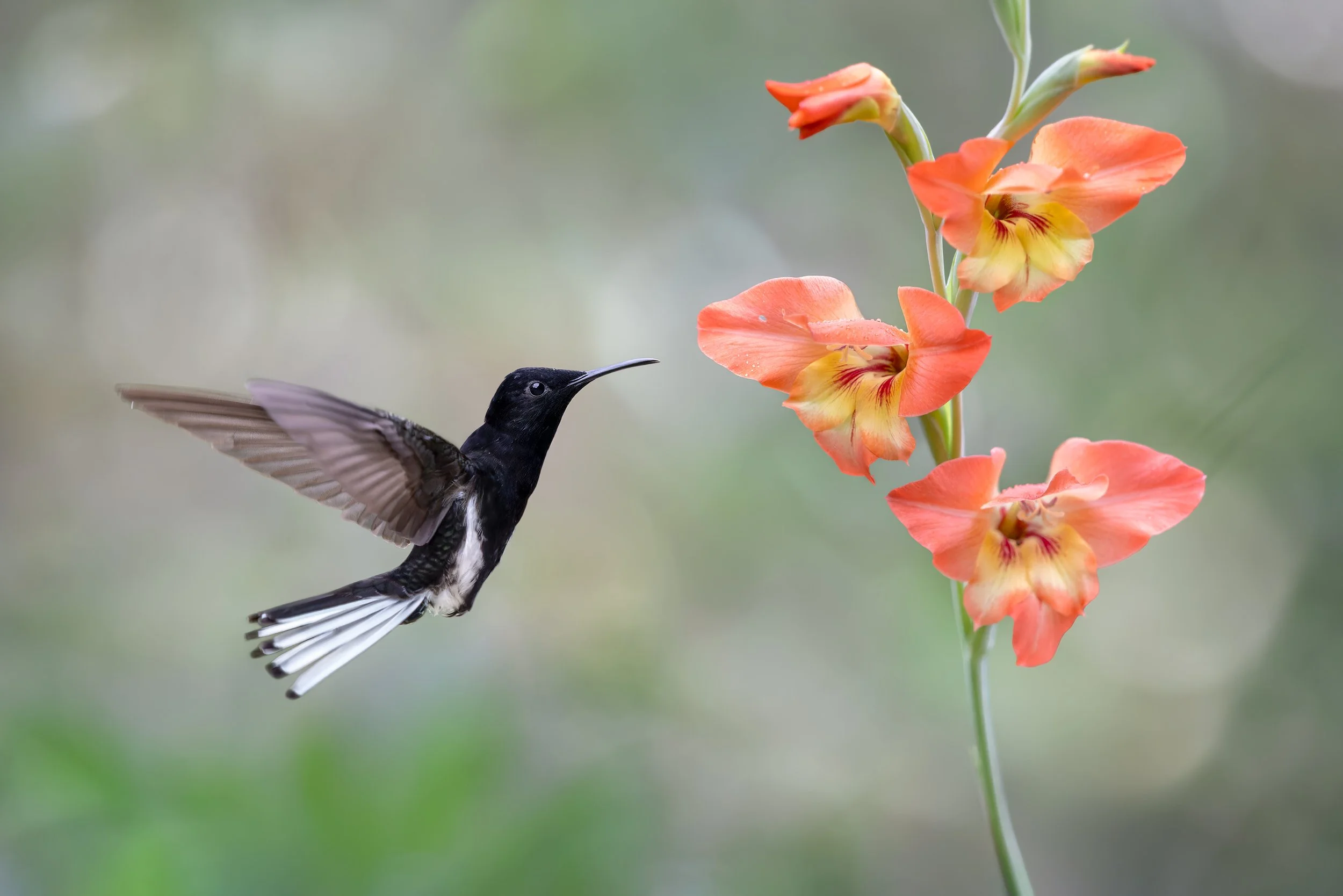
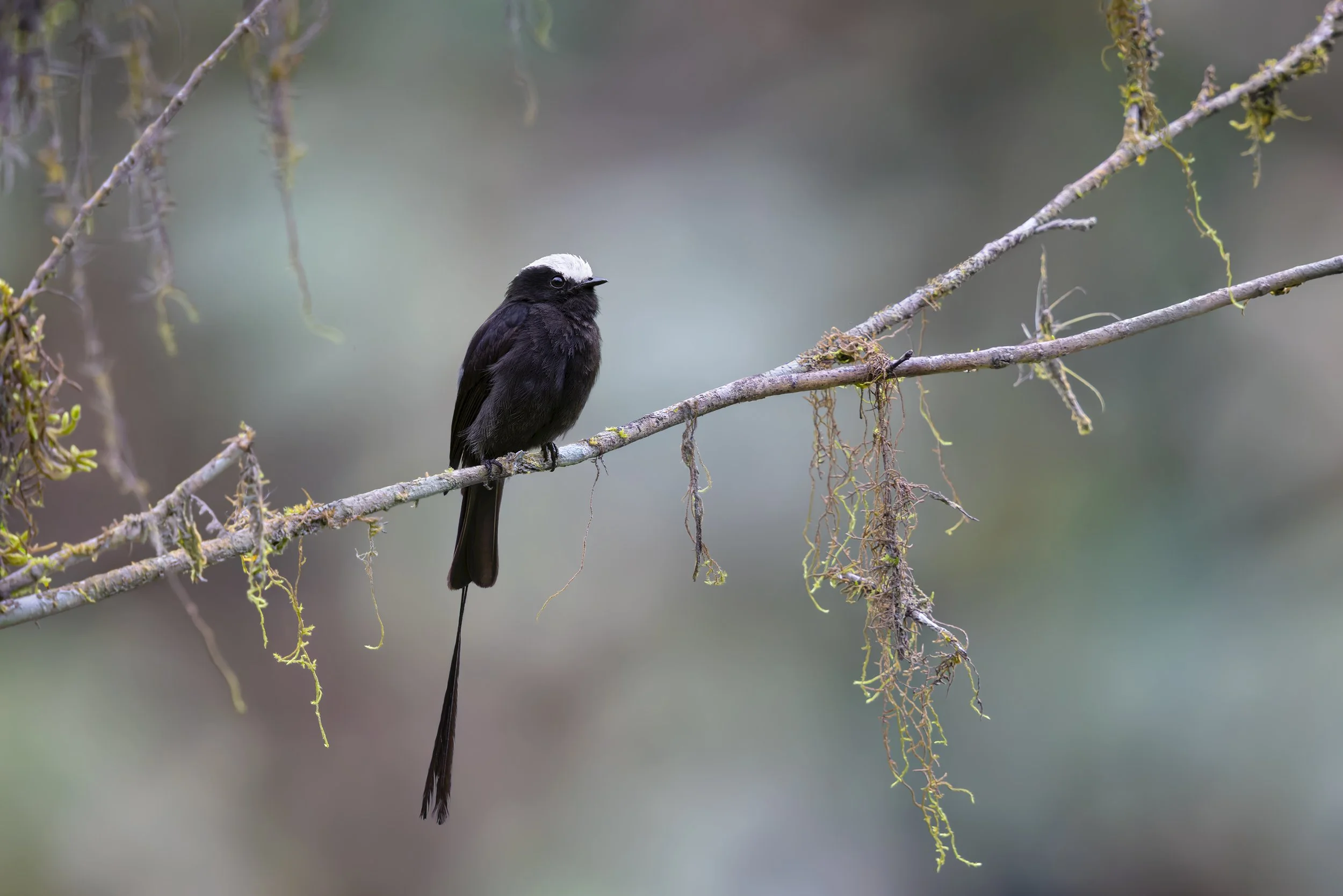
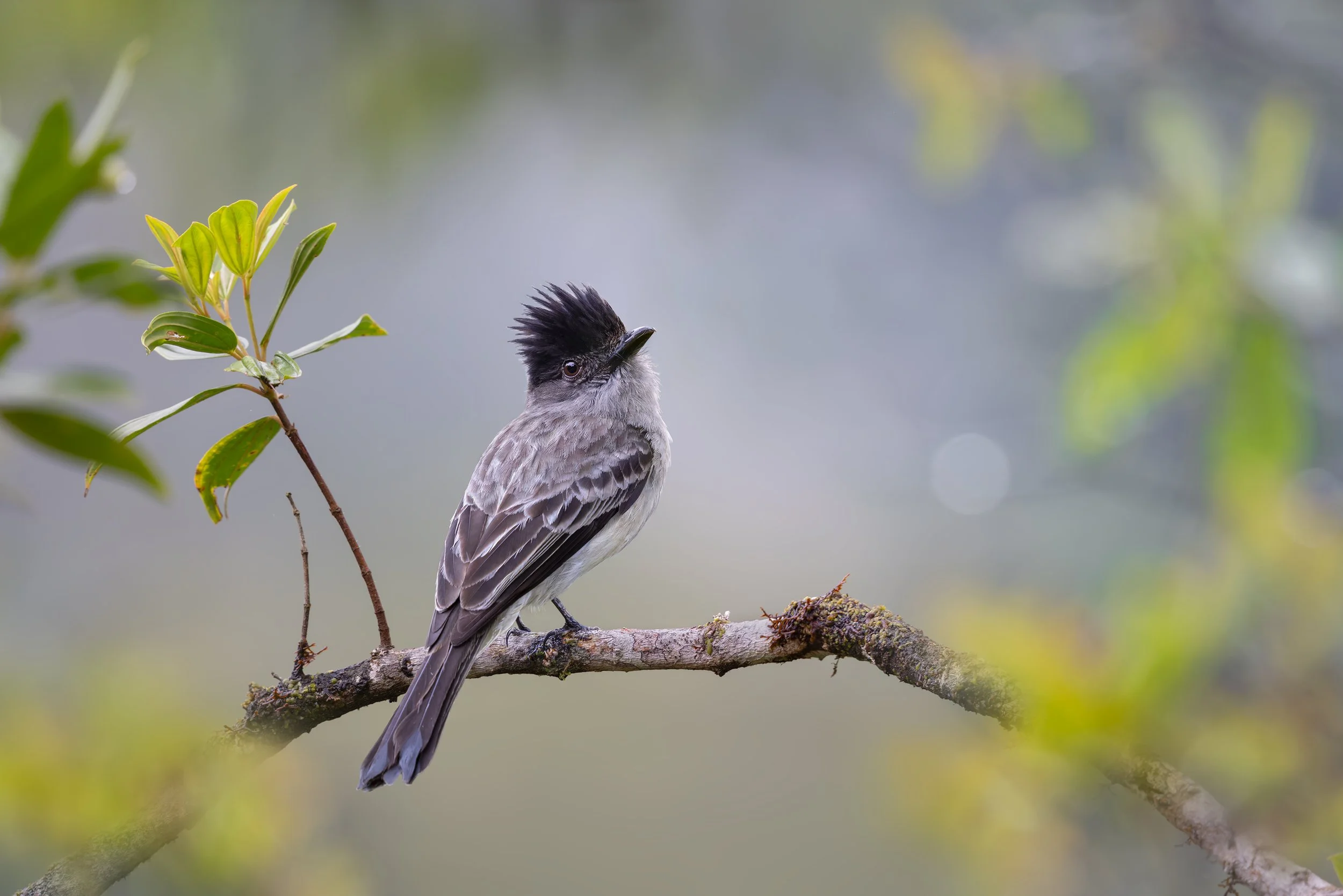
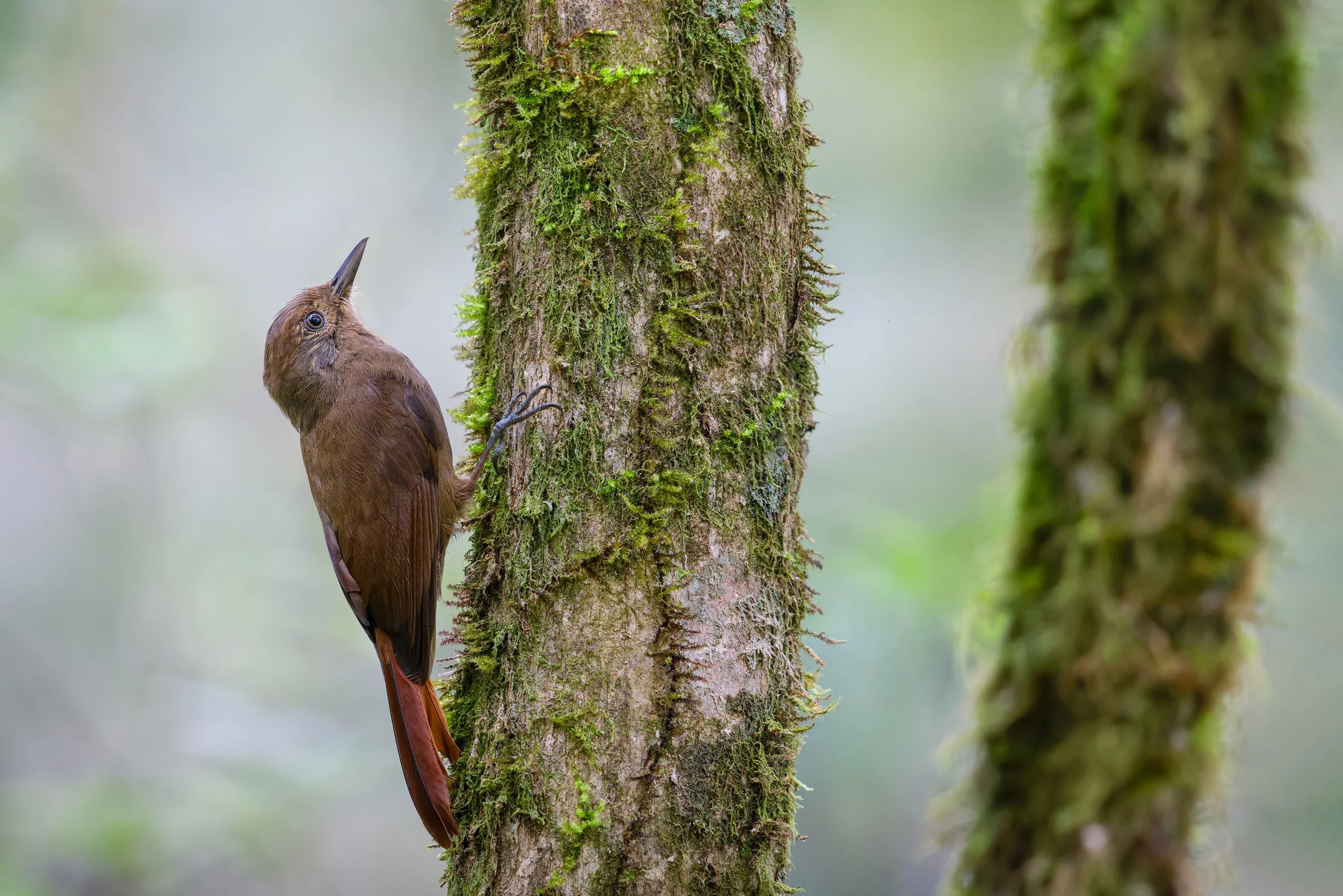
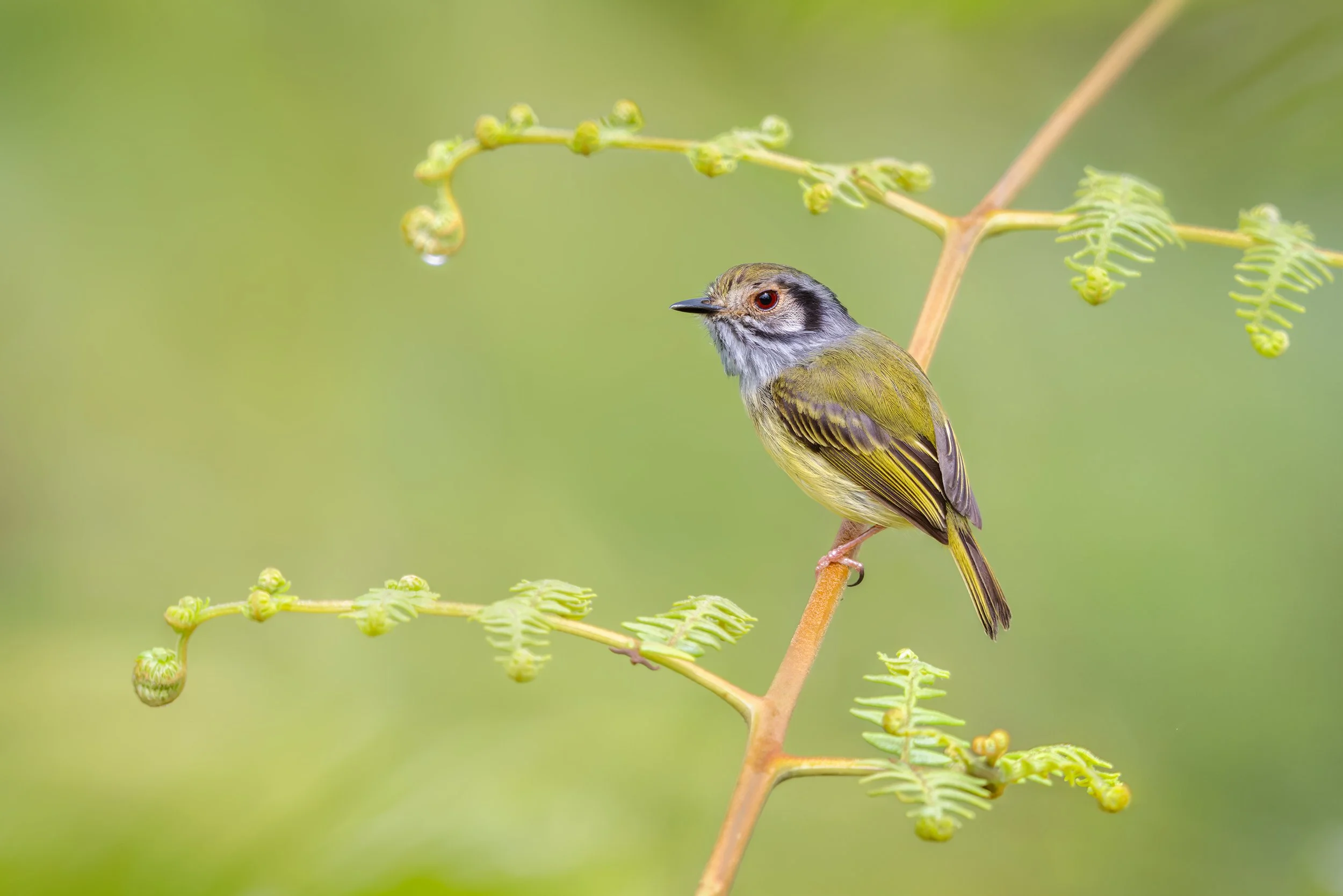
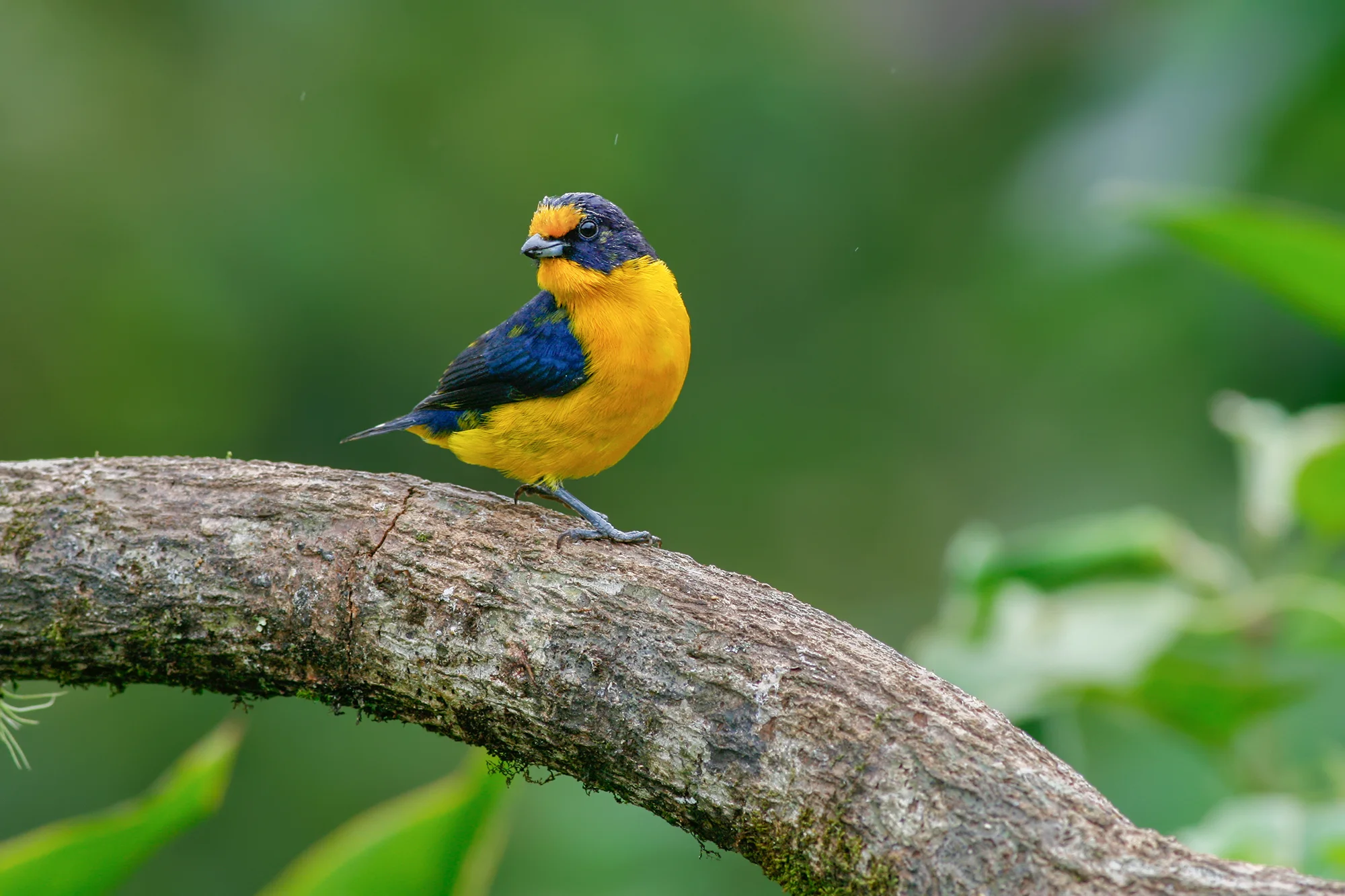
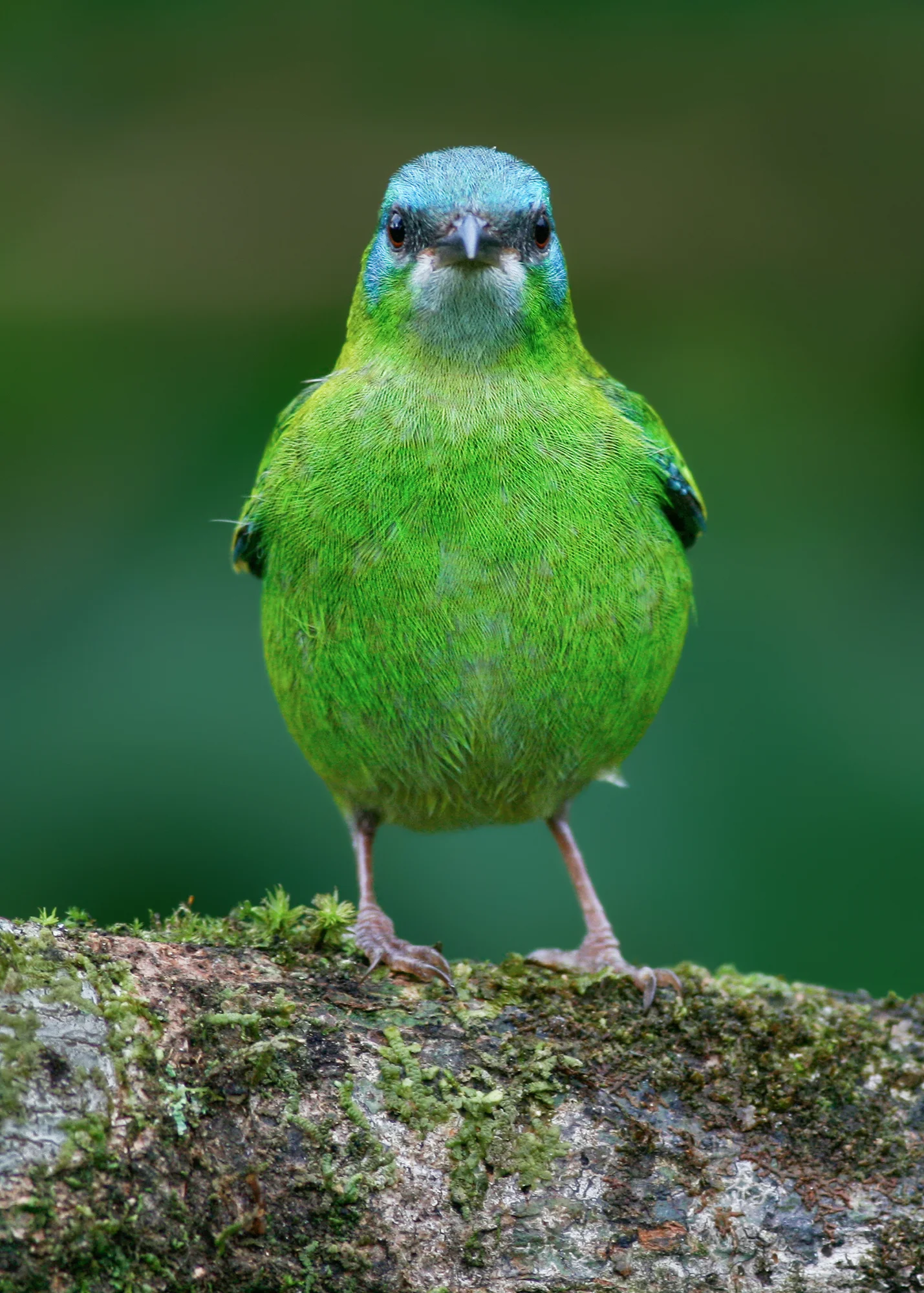
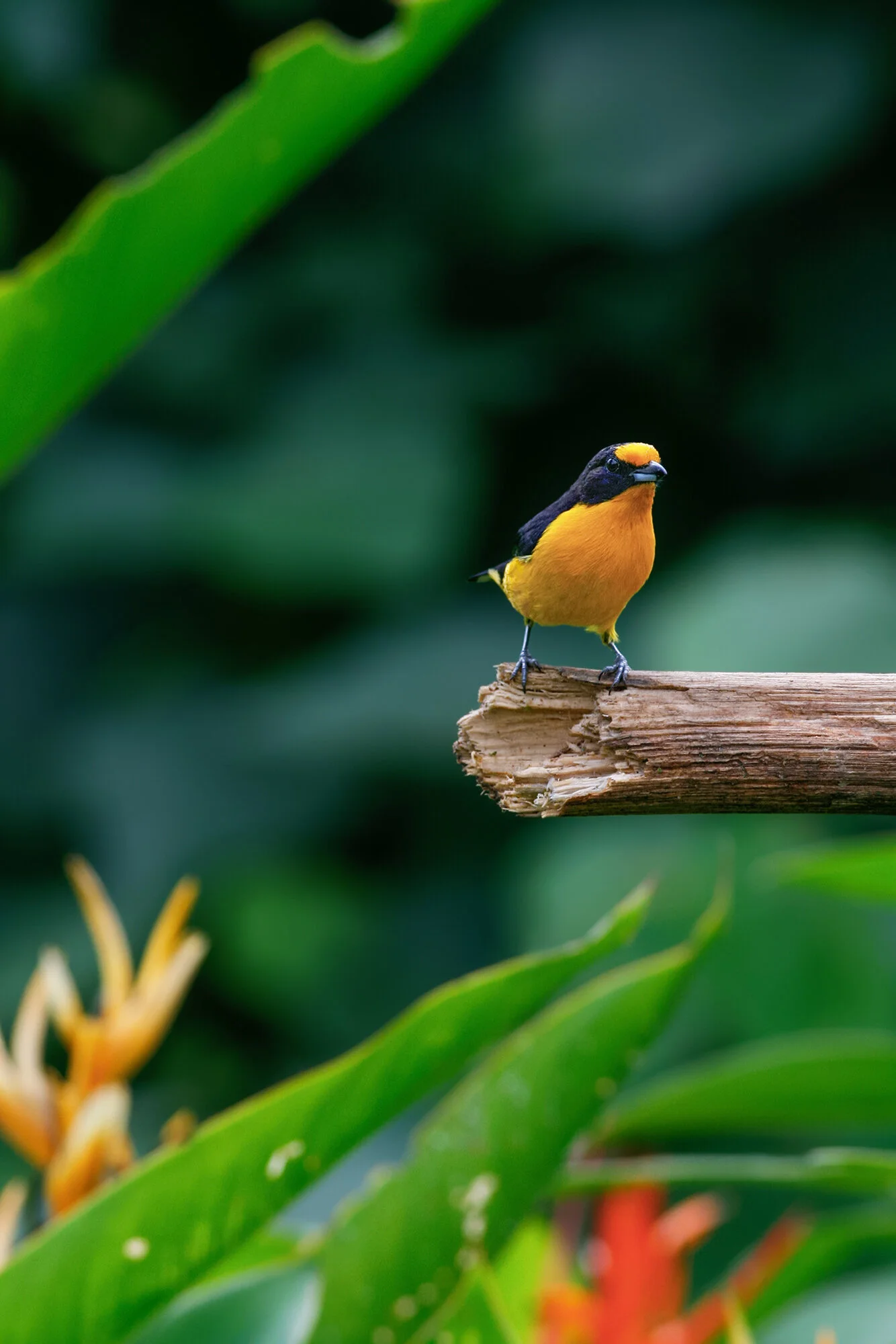
Photos are taken from a short trip in the southwestern parts of São Paulo state in 2025, as well as some older photos from io de Janeiro state.